Best Things to Do in Rome: What to Book, See, and Skip
Rome is the kind of city where your first trip can get overstuffed instantly. There are ancient ruins, Vatican masterpieces, huge piazzas, Baroque fountains, gelato stops, pasta reservations, neighborhood walks, and about five different ticket decisions before breakfast.
If you only have a few days, I would not try to see everything. Build the trip around the Colosseum, Vatican Museums, Pantheon, Trevi Fountain, Spanish Steps, and at least one panoramic viewpoint, then leave breathing room for food and wandering. The city is intense in the best way, but it is still a lot. 🏛️
For the cleanest route, pair this list with my 3 days in Rome itinerary. For restaurant-by-restaurant notes, use my Rome food guide.
If you book only two things before your trip, make them the Colosseum and the Vatican Museums. Those are the two stops where planning ahead changes the whole day.
Colosseum and Ancient Rome
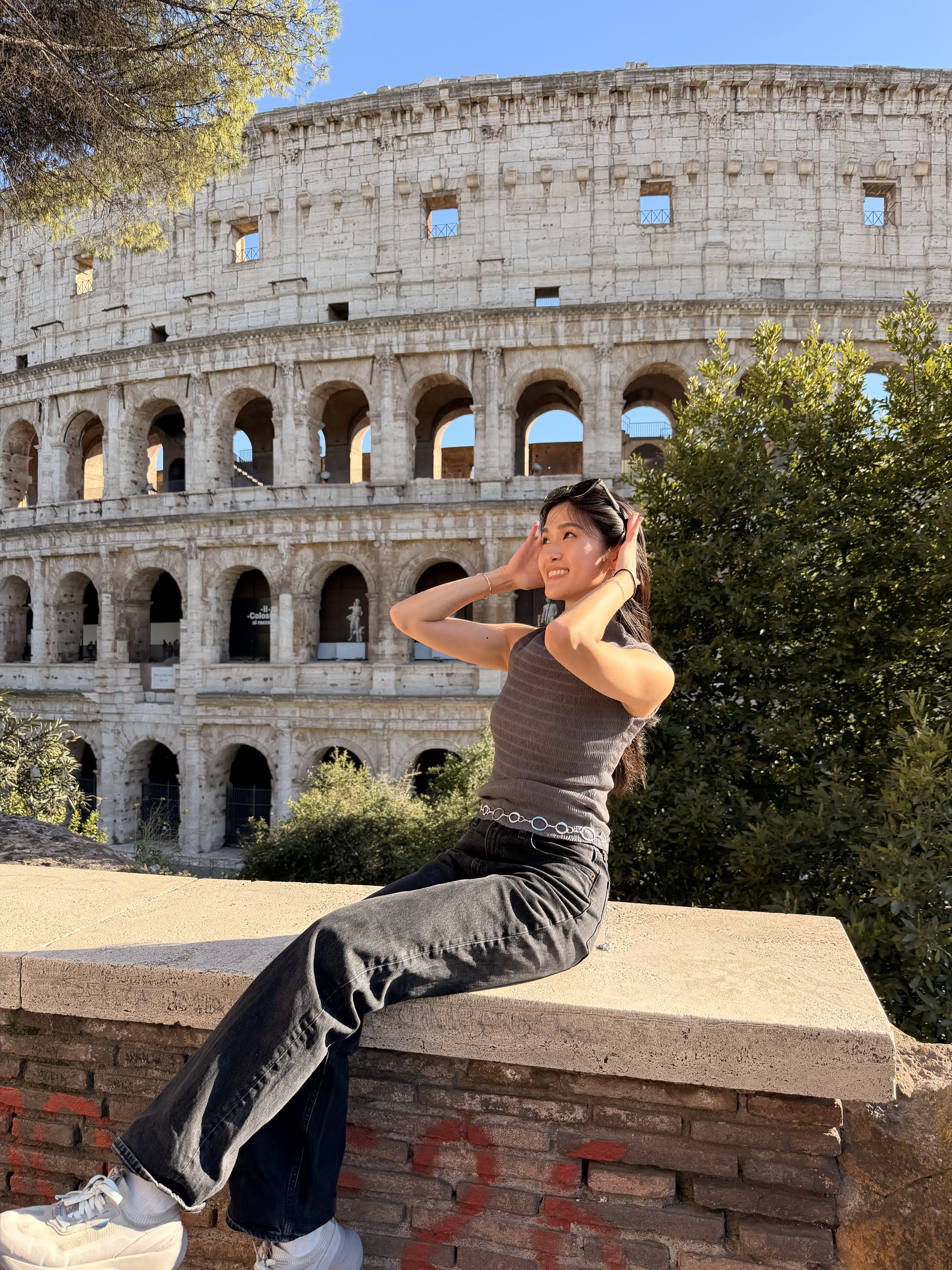
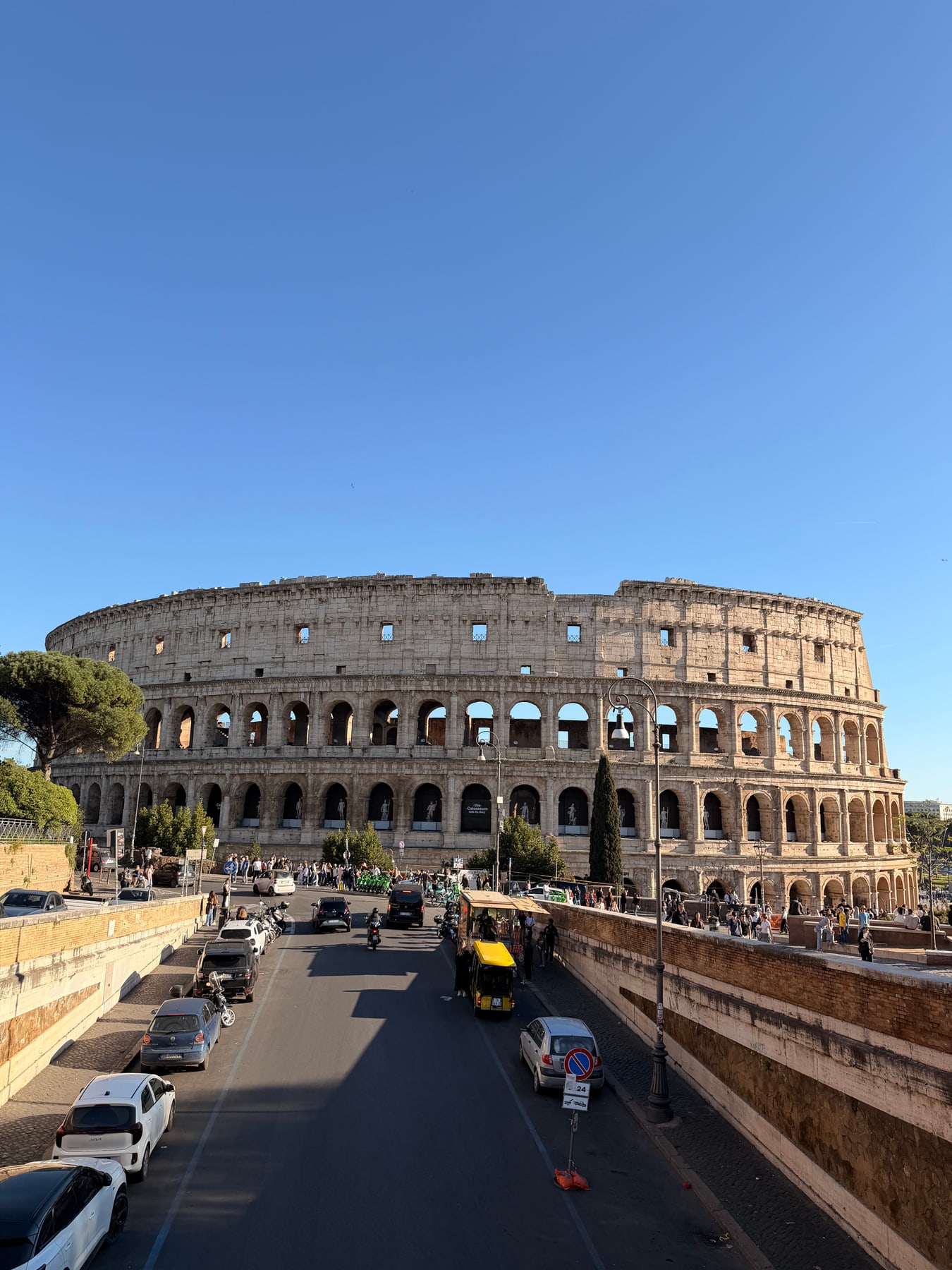
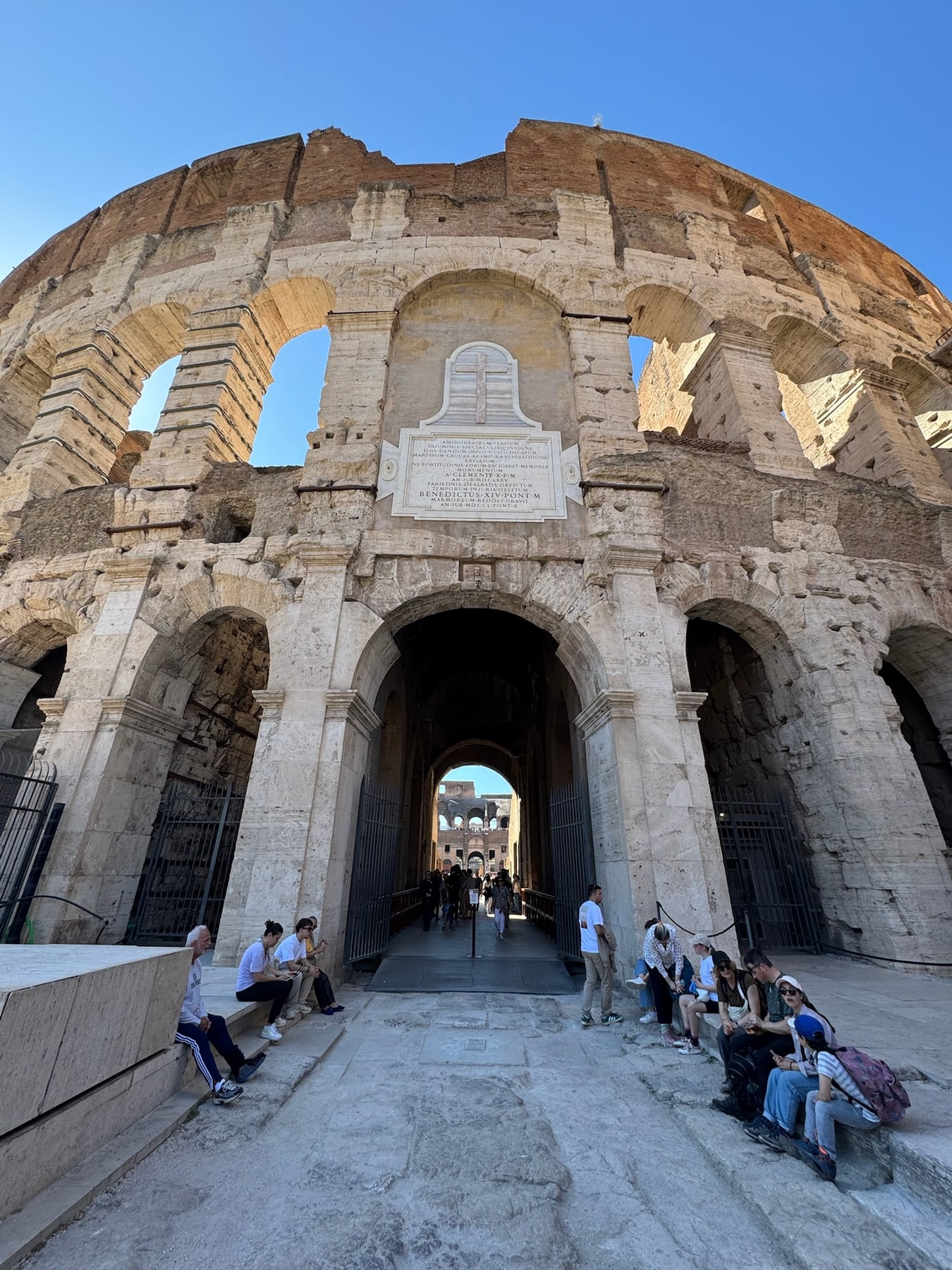
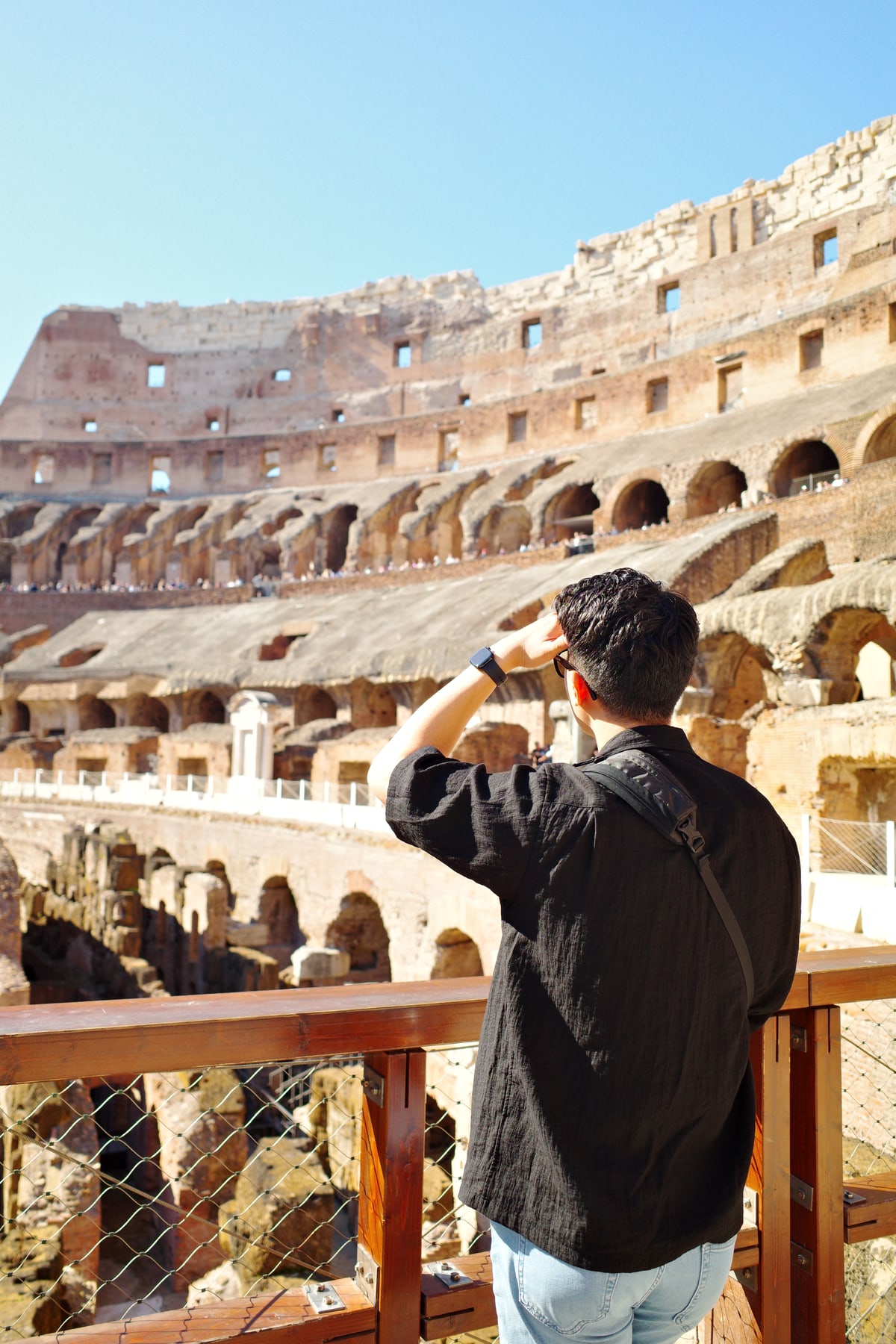
The Colosseum is the Rome classic I would absolutely keep on a first-trip itinerary. Seeing the exterior is cool, but going inside is what makes it feel real. The arena floor is the moment: you are standing where gladiators once stood, looking down into the underground systems, and suddenly the whole monument feels less like a postcard and more like history happening around you.
I would book a ticket that includes the Colosseum, Roman Forum, and Palatine Hill together. A basic ticket is fine if you are comfortable exploring independently, but if you can get arena access, do it. The full experience with arena, first level, and second level felt so much more worth it than just peeking in.
Plan at least 3 hours for all three sites. Go early or late afternoon, wear shoes that can handle uneven stone, and bring water because the Forum and Palatine Hill have long exposed stretches with very little shade.
The official Colosseum site lists timed-entry ticket sales as opening 30 days before the visit, with current seasonal hours posted by date. Check the official Colosseum ticket page before locking in your day.
Altar of the Fatherland
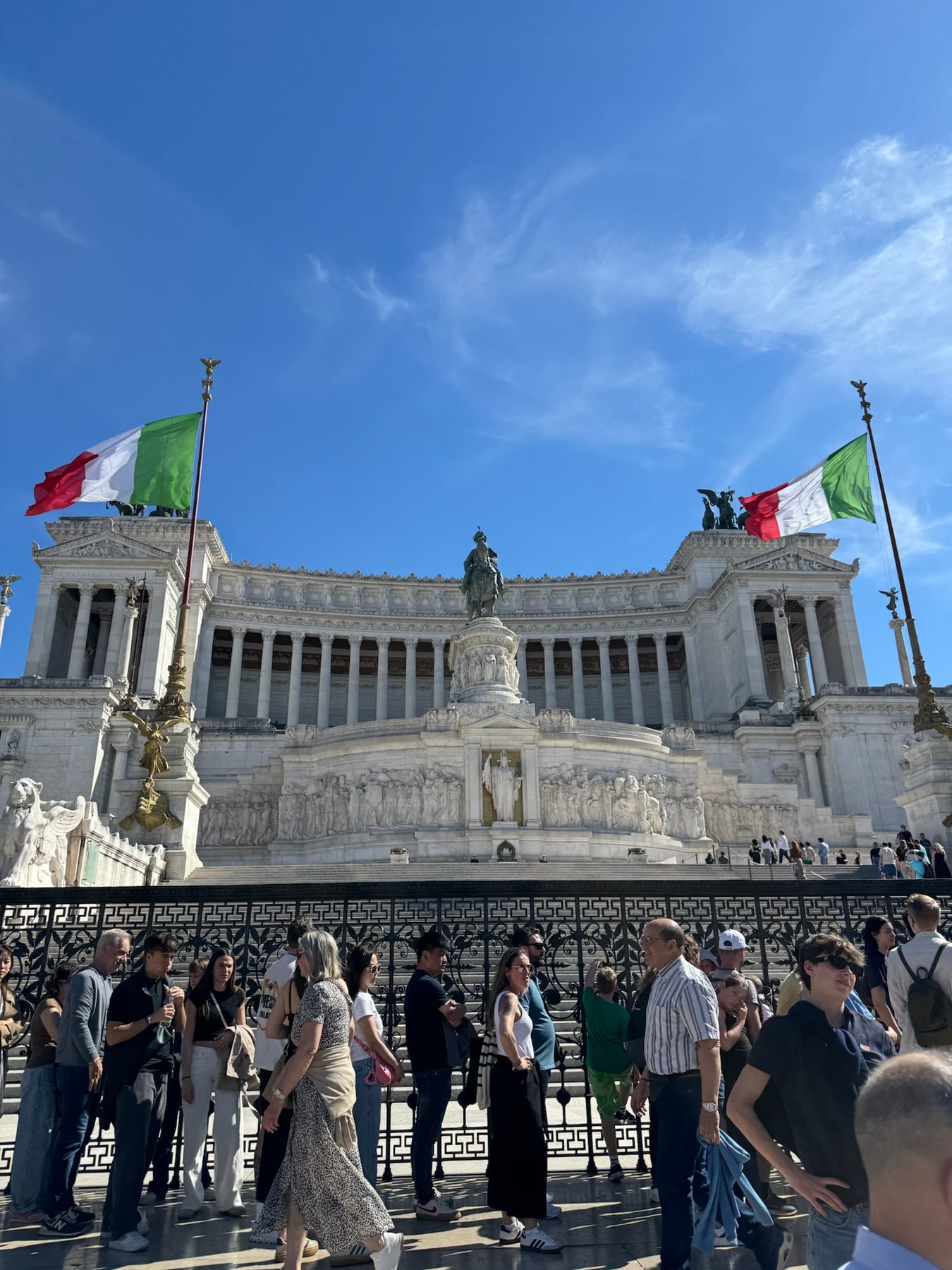
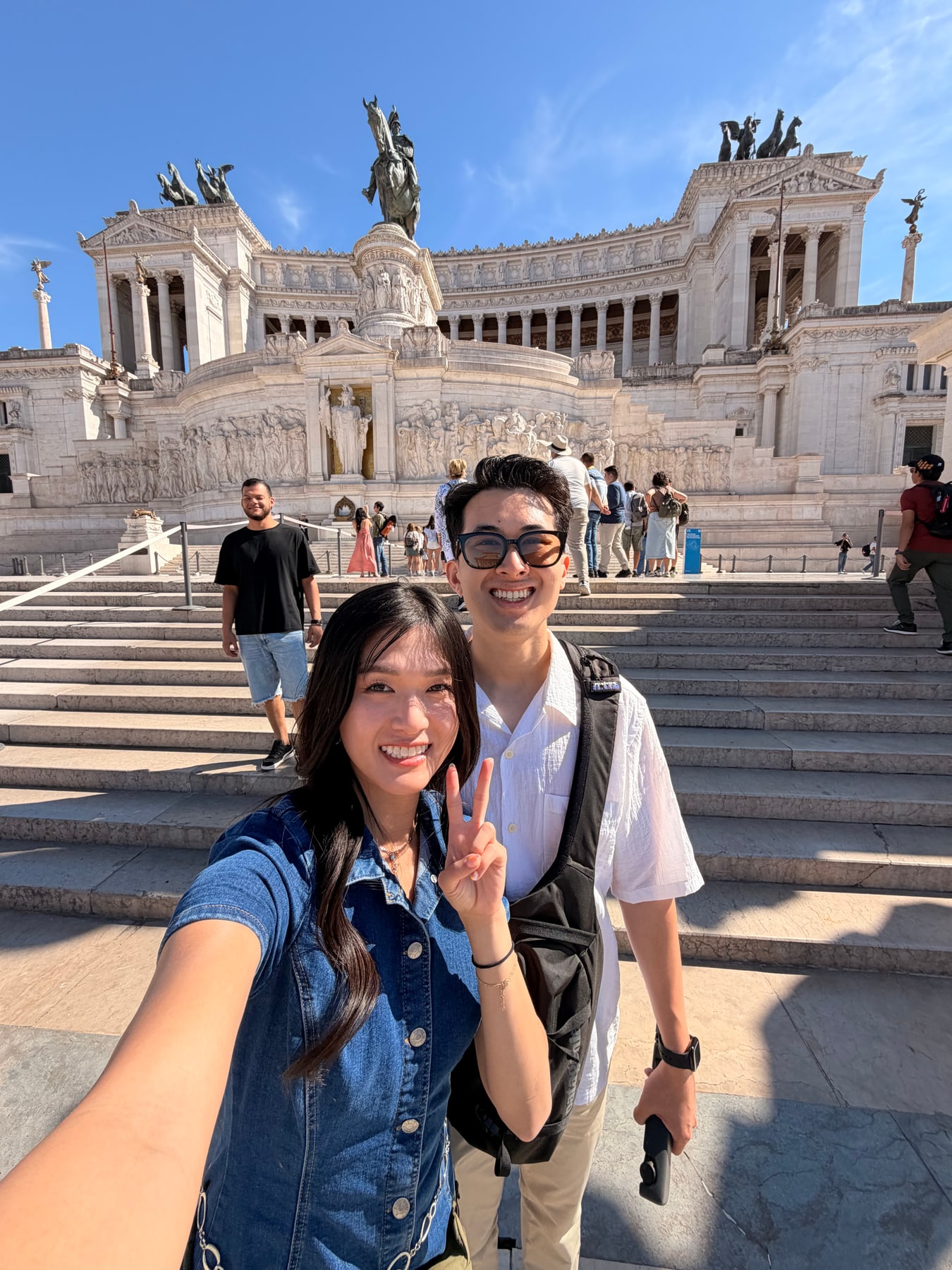
The Altar of the Fatherland is a huge white marble monument right in the middle of Rome, and it is one of the easiest free stops to add between the Forum, Pantheon, and Trevi Fountain. It is dramatic, oversized, and honestly kind of impossible to miss.
The best reason to go is the view. From the upper terraces, you can look across central Rome and even spot the Colosseum from above. It does not need to take a whole afternoon. Walk up, take in the scale, get your city-view moment, and keep moving.
Vatican Museums and St. Peter’s
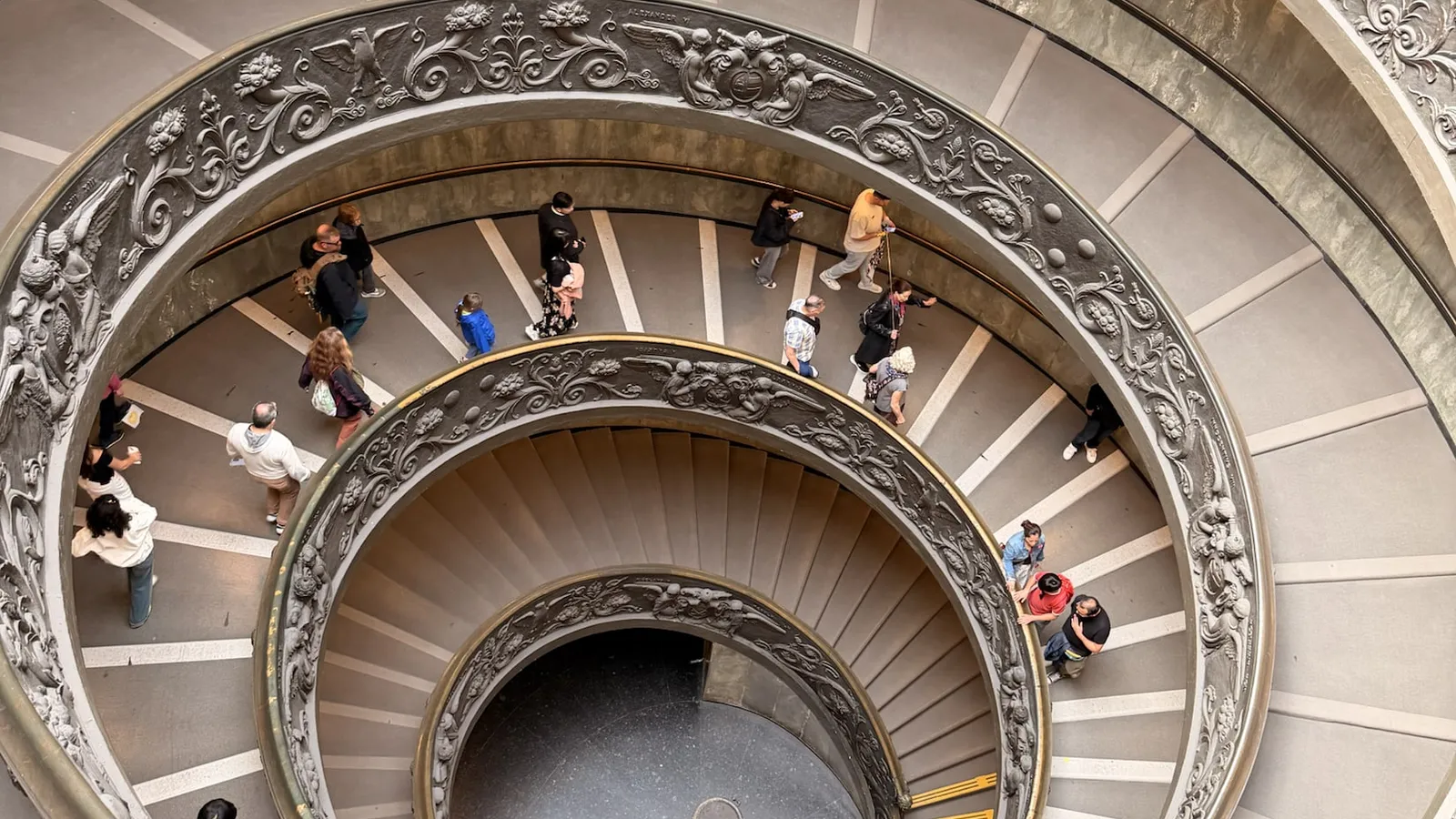
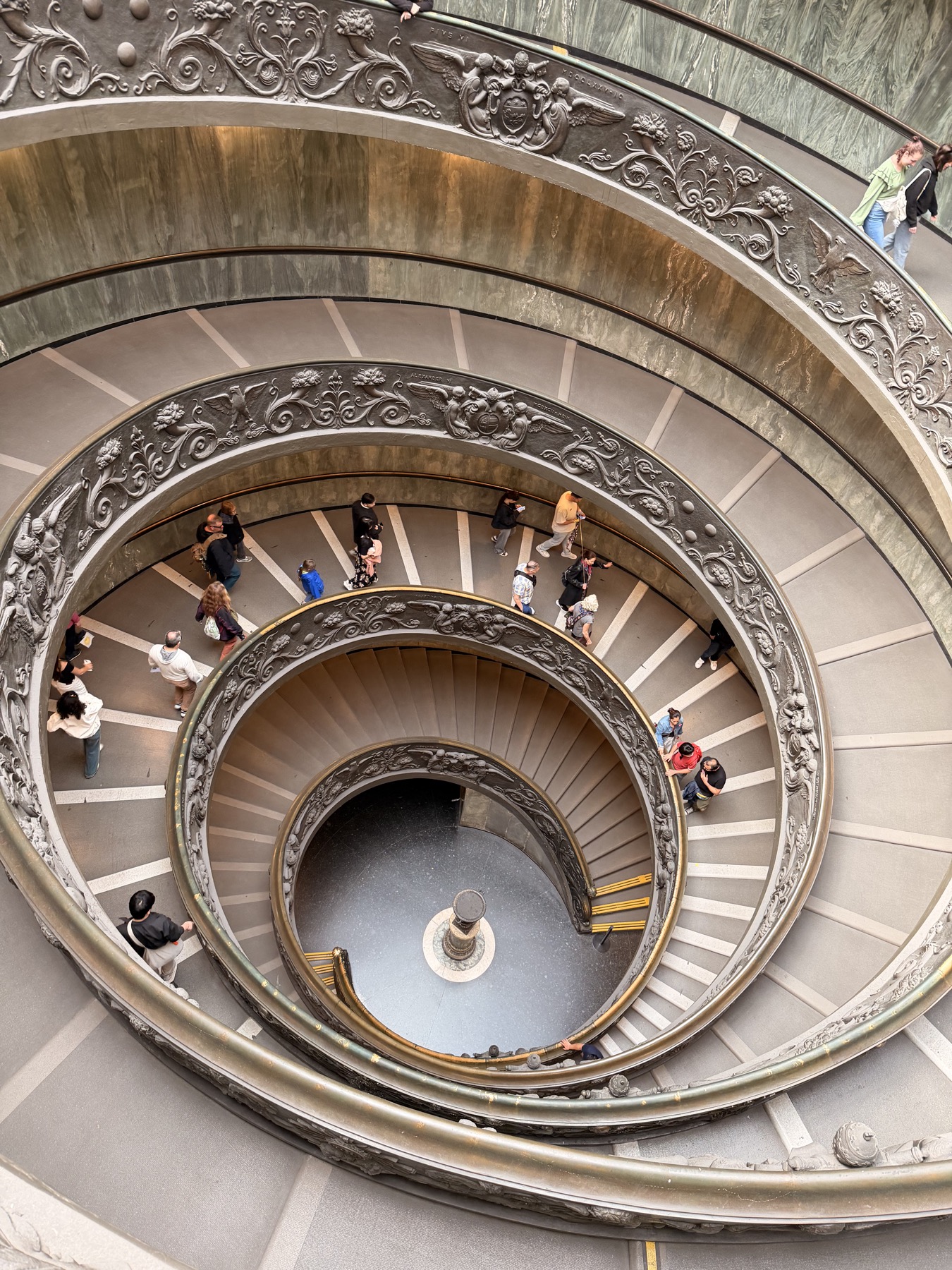
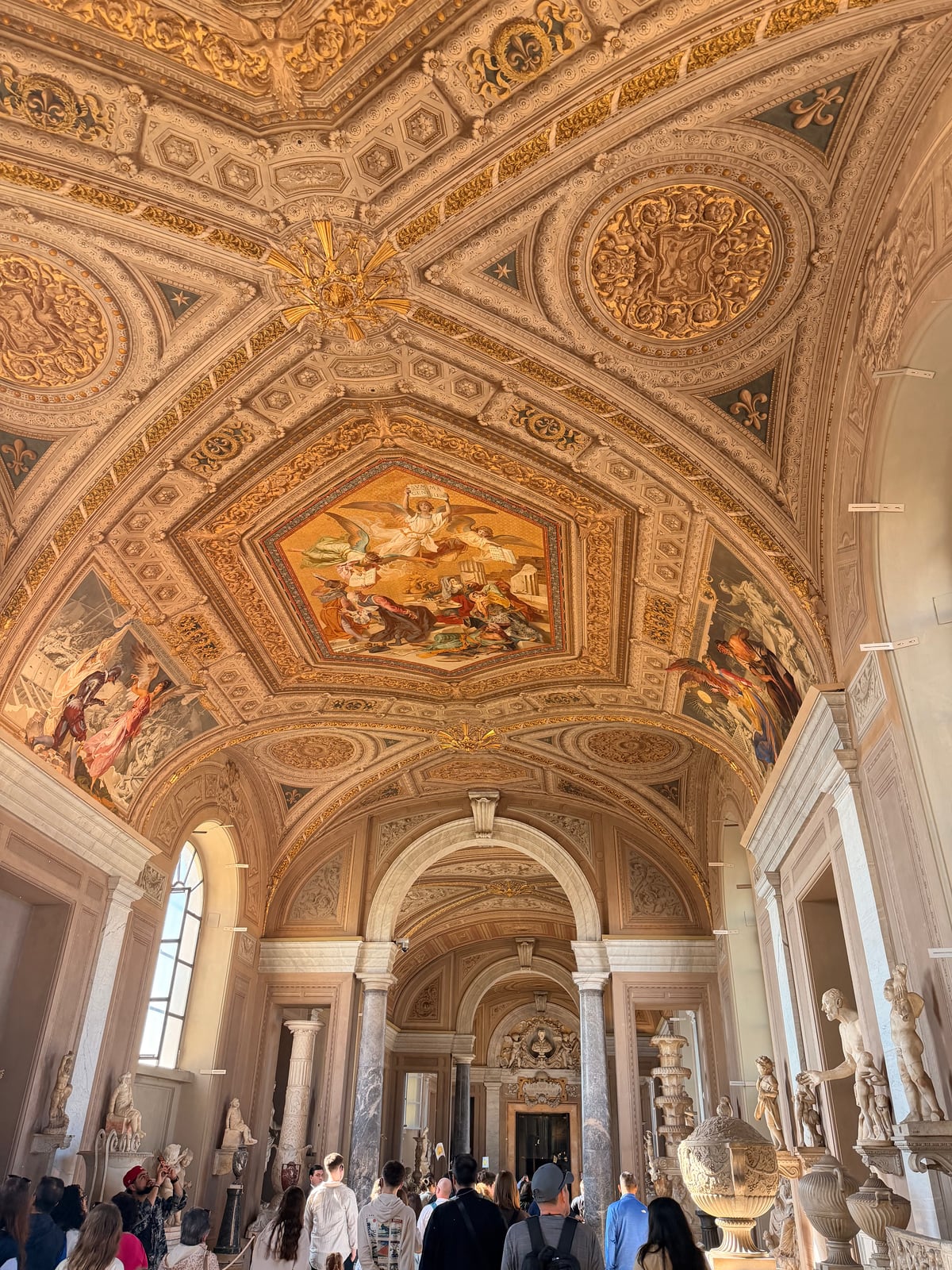
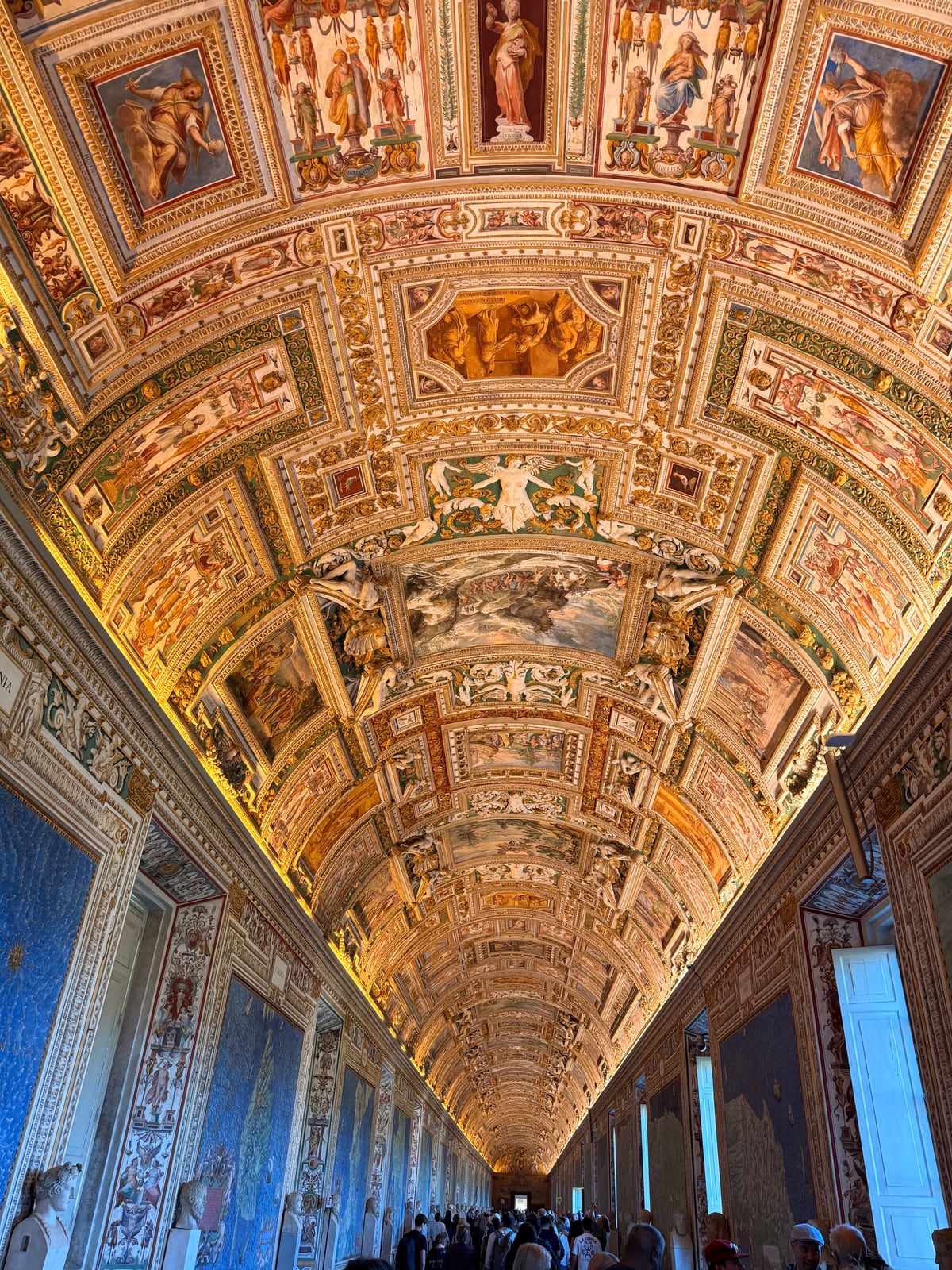
The Vatican Museums were genuinely jaw-dropping. Every ceiling and wall feels packed with art, history, religion, and detail, and the Sistine Chapel is one of those places where you could stare for a lifetime and still miss something. This is not the stop to wing.
Book the Vatican Museums in advance, ideally at least a couple weeks ahead if your dates are fixed. When I went in the morning, the line without reservations was already wild, and this is one of the fastest ways to lose hours in Rome.
Give the museums 2 to 3 hours minimum. If you are also visiting St. Peter’s Basilica and St. Peter’s Square, let Vatican City be the main event of that half-day instead of squeezing it between two unrelated reservations. If you happen to visit on a Wednesday morning when a papal audience is scheduled, St. Peter’s Square can be extra crowded, but you might also get a once-in-a-lifetime moment. I still cannot believe we saw the Pope himself. ✨
The Vatican Museums currently list Monday to Saturday hours, plus limited last-Sunday openings on eligible months. Check the official Vatican Museums hours page before choosing a date. St. Peter’s Basilica is free to enter, but security lines can be long; current visitor hours are posted on the official Basilica site.
Pantheon, Trevi Fountain, and Spanish Steps
This is the easiest self-guided sightseeing walk in Rome. Start at the Pantheon, walk about 10 minutes to Trevi Fountain, then another 10 minutes to the Spanish Steps. You get three major sights without needing transit, and the route is packed with cafes, gelato shops, and little side streets.
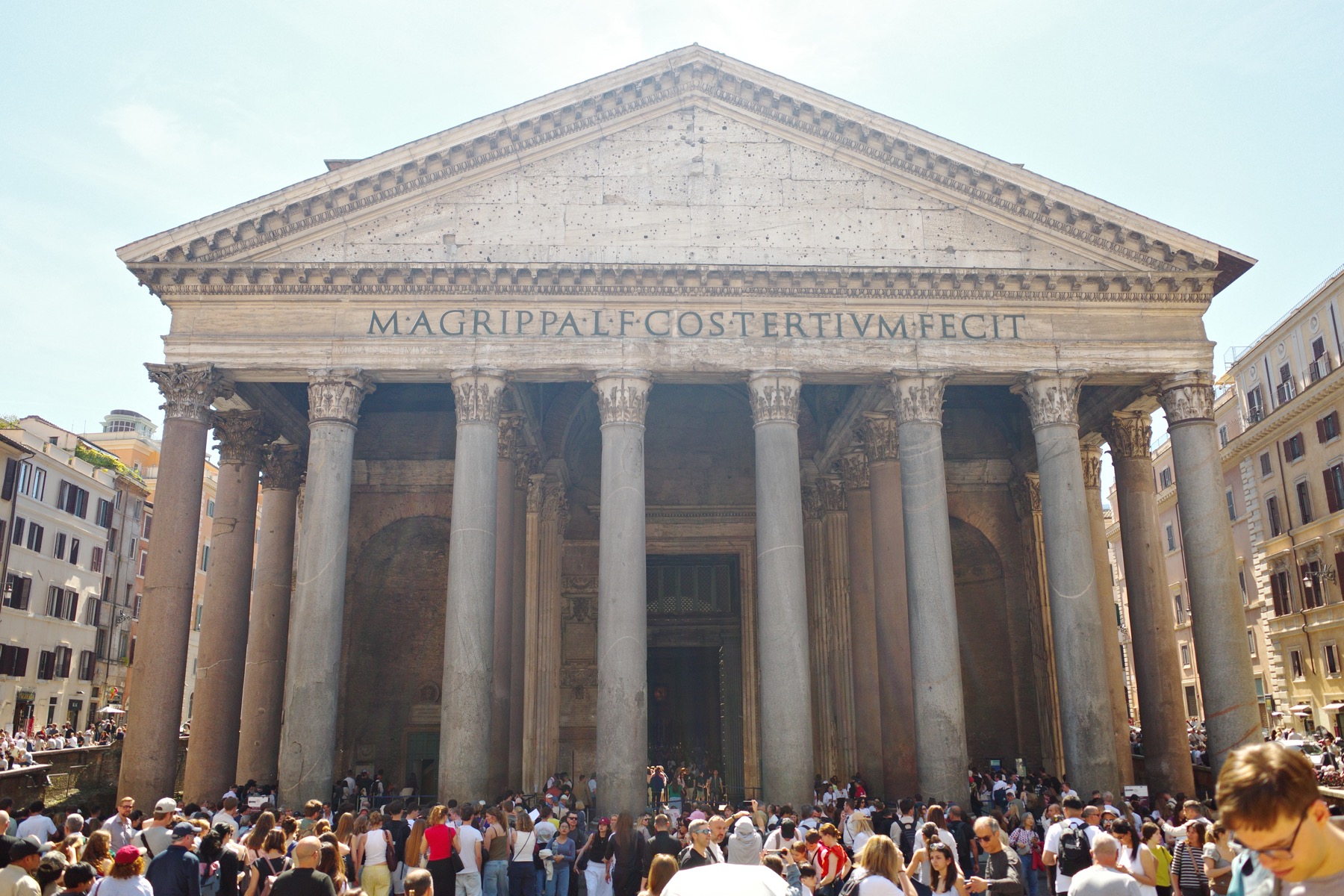
The Pantheon is widely considered one of the best-preserved ancient Roman buildings in the world, and it really does stop you in your tracks. As of July 1, 2026, the official full-price ticket is listed at €7, with online and on-site options through official channels. It is a basilica, so dress respectfully and check the official Pantheon visitor page for current rules before you go.
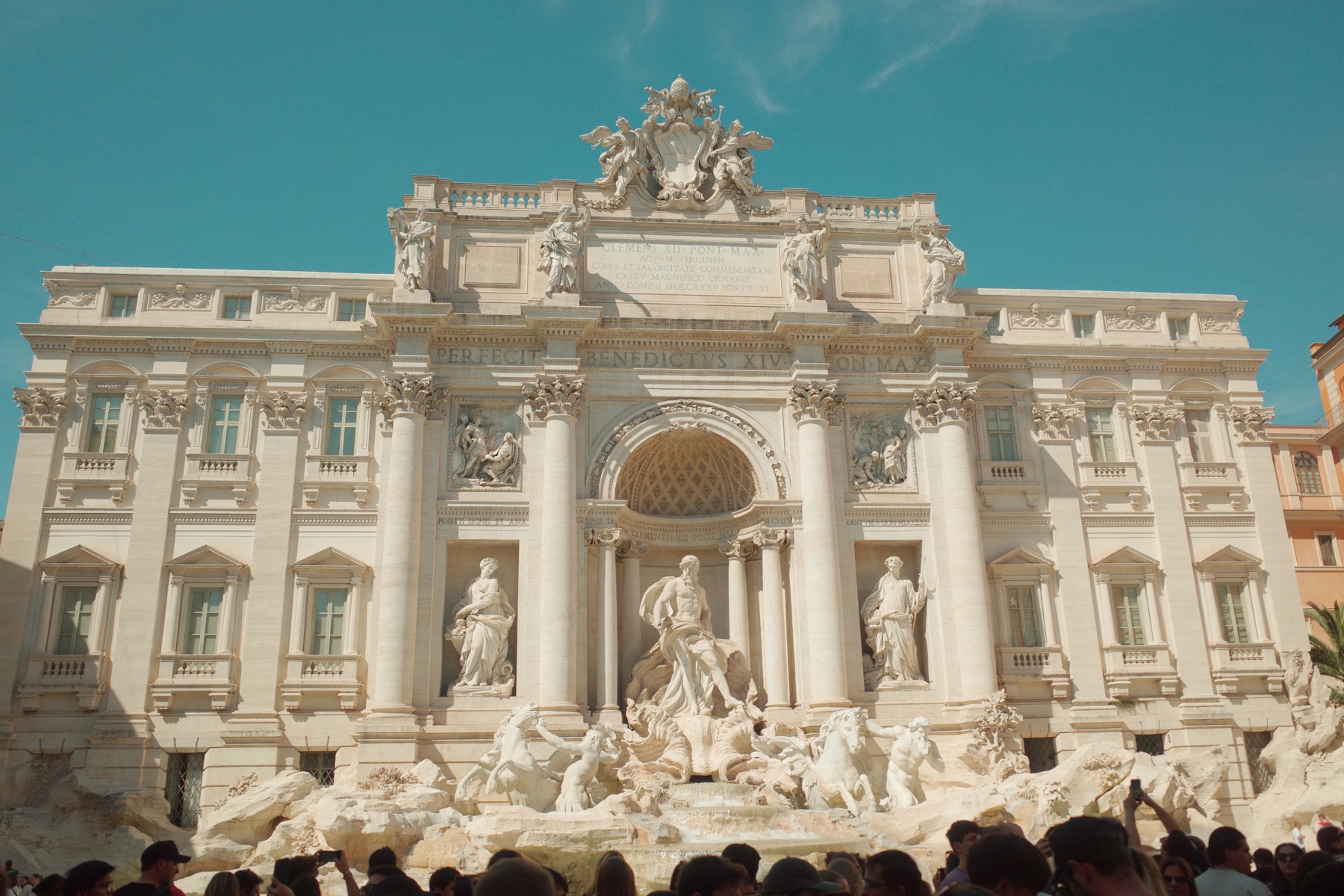
Trevi Fountain is beautiful, but it is packed. Go early if you care about photos, or go later and accept the chaos. Stand with your back to the fountain, toss a coin over your left shoulder with your right hand, and then move on before the crowd drains your will to live a little.
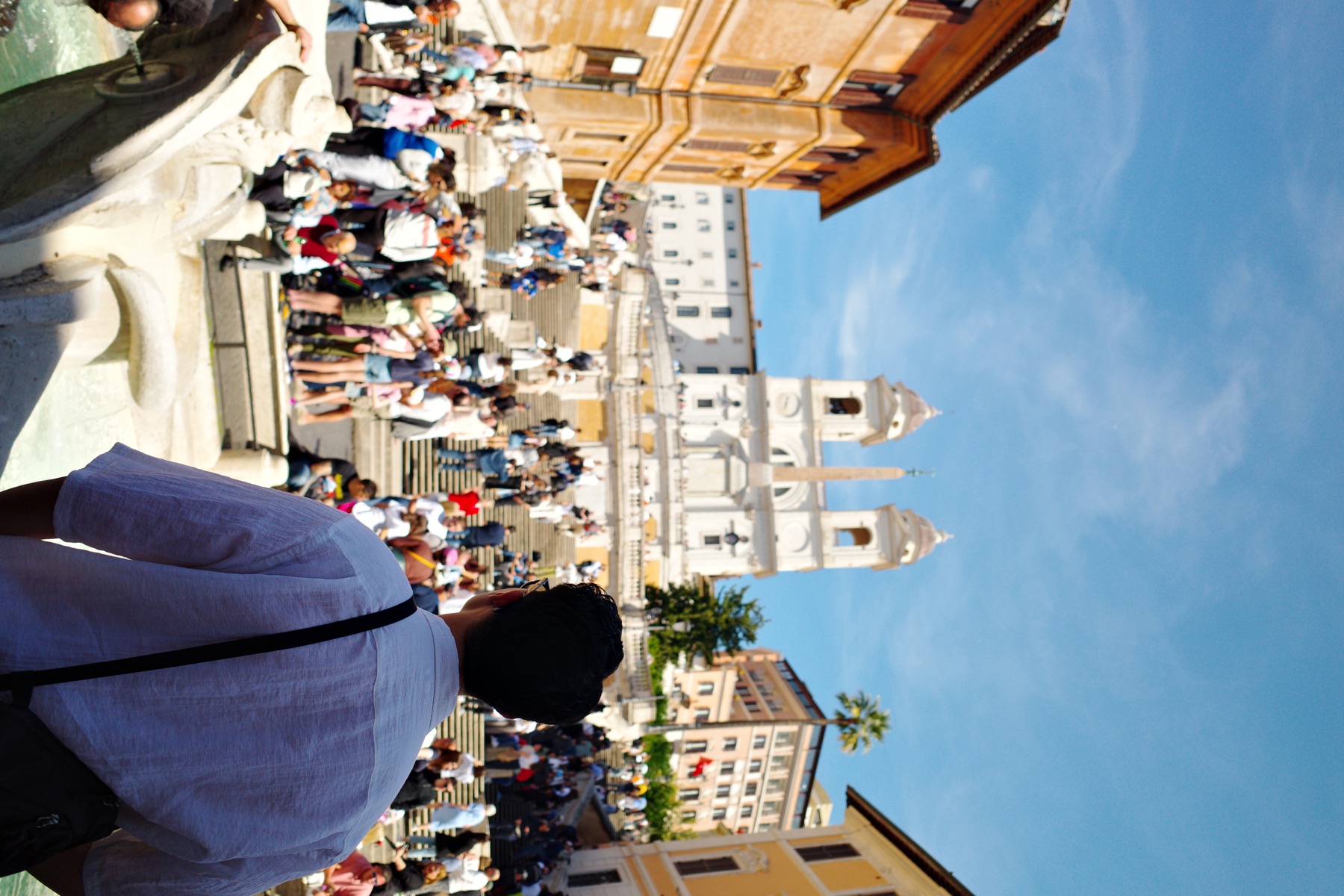
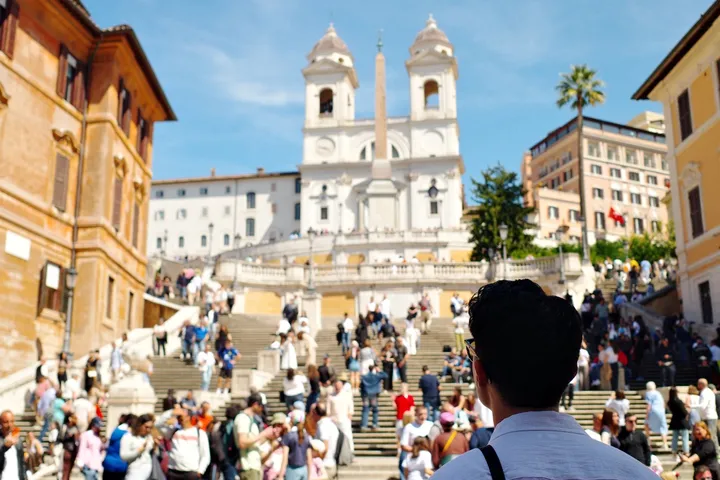
The Spanish Steps are more of a classic atmosphere stop than a long attraction. You come for the Baroque staircase, the view from the top, and the neighborhood energy around Piazza di Spagna.
Food Breaks to Build Around
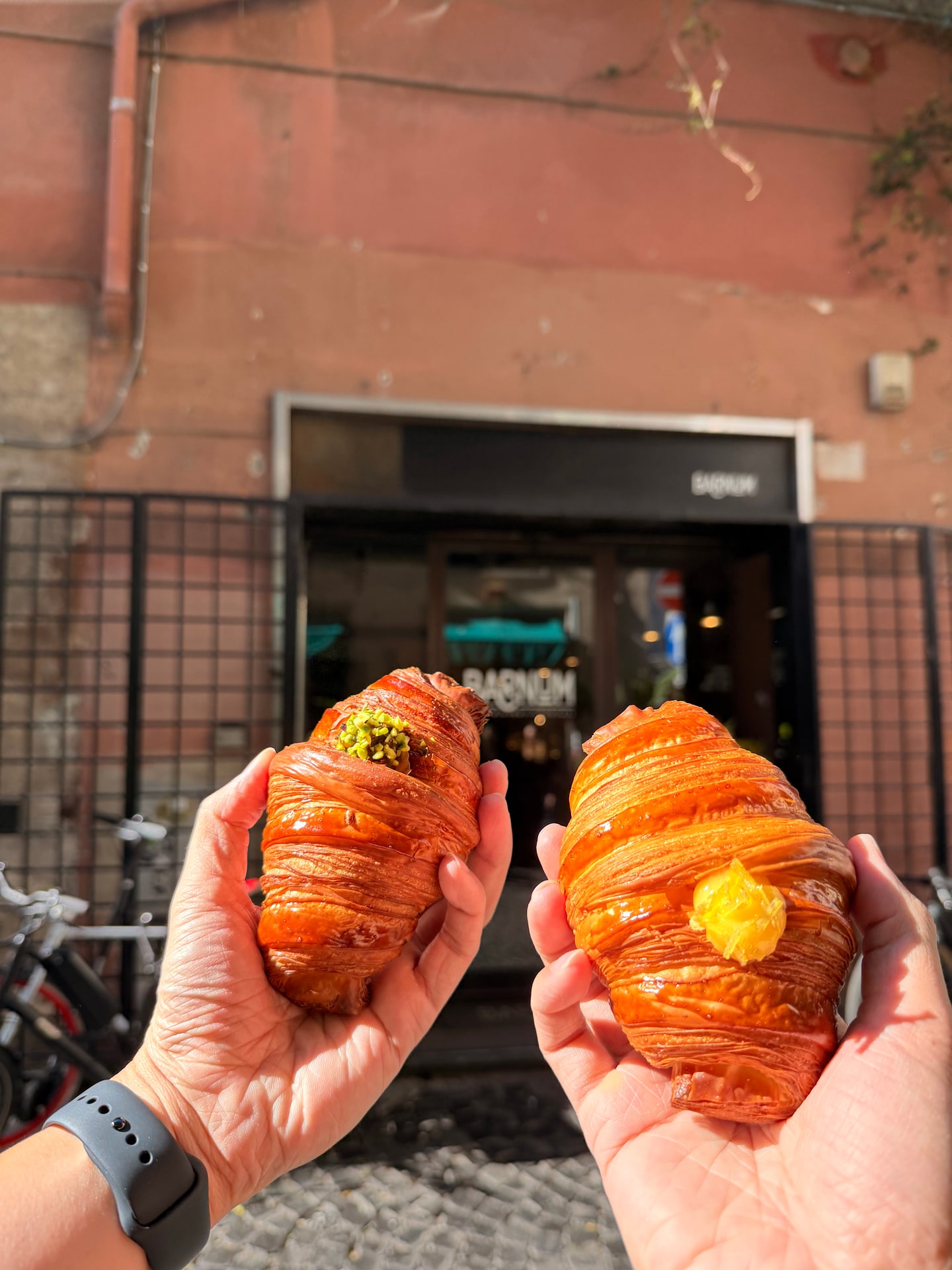
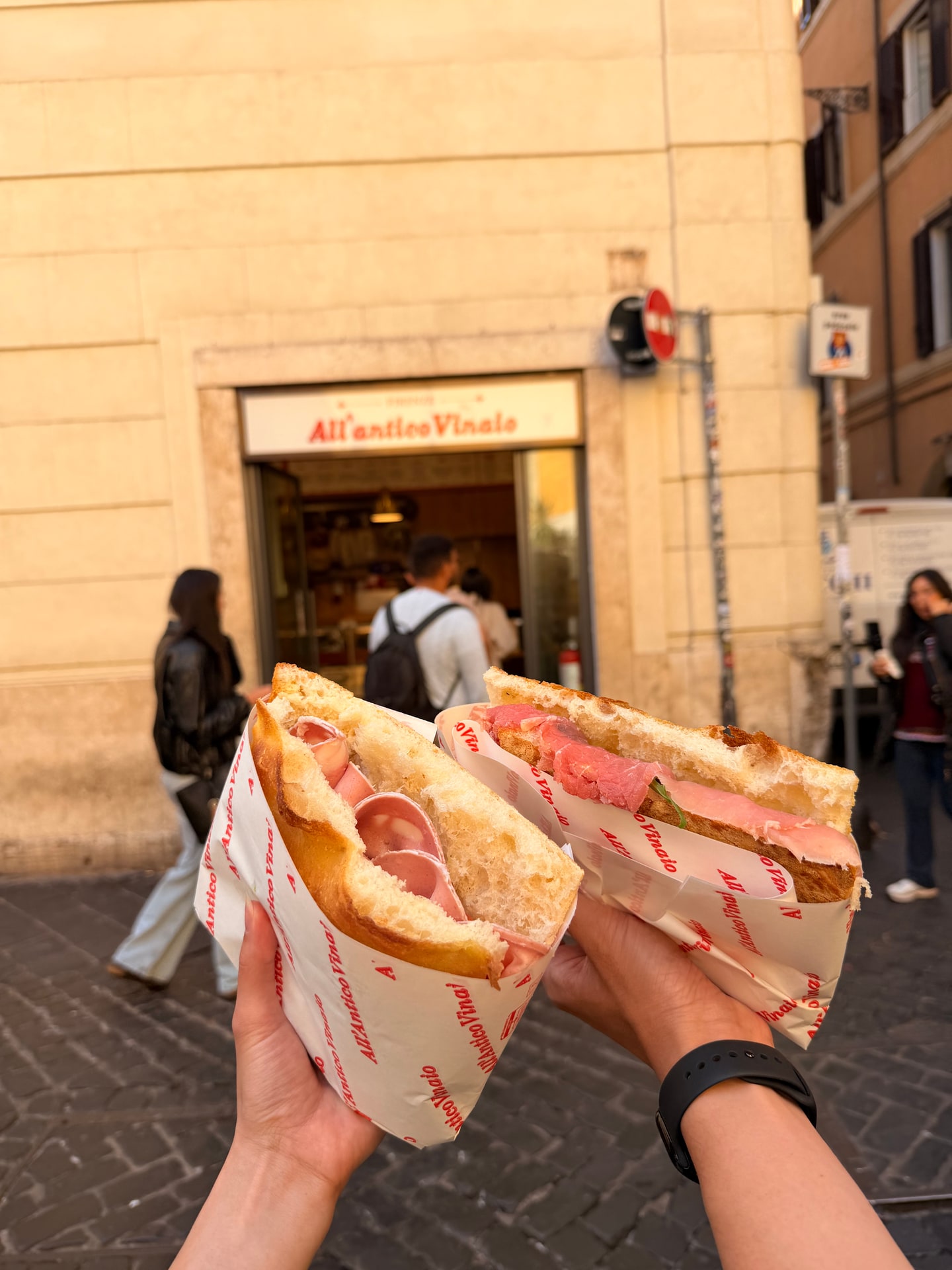
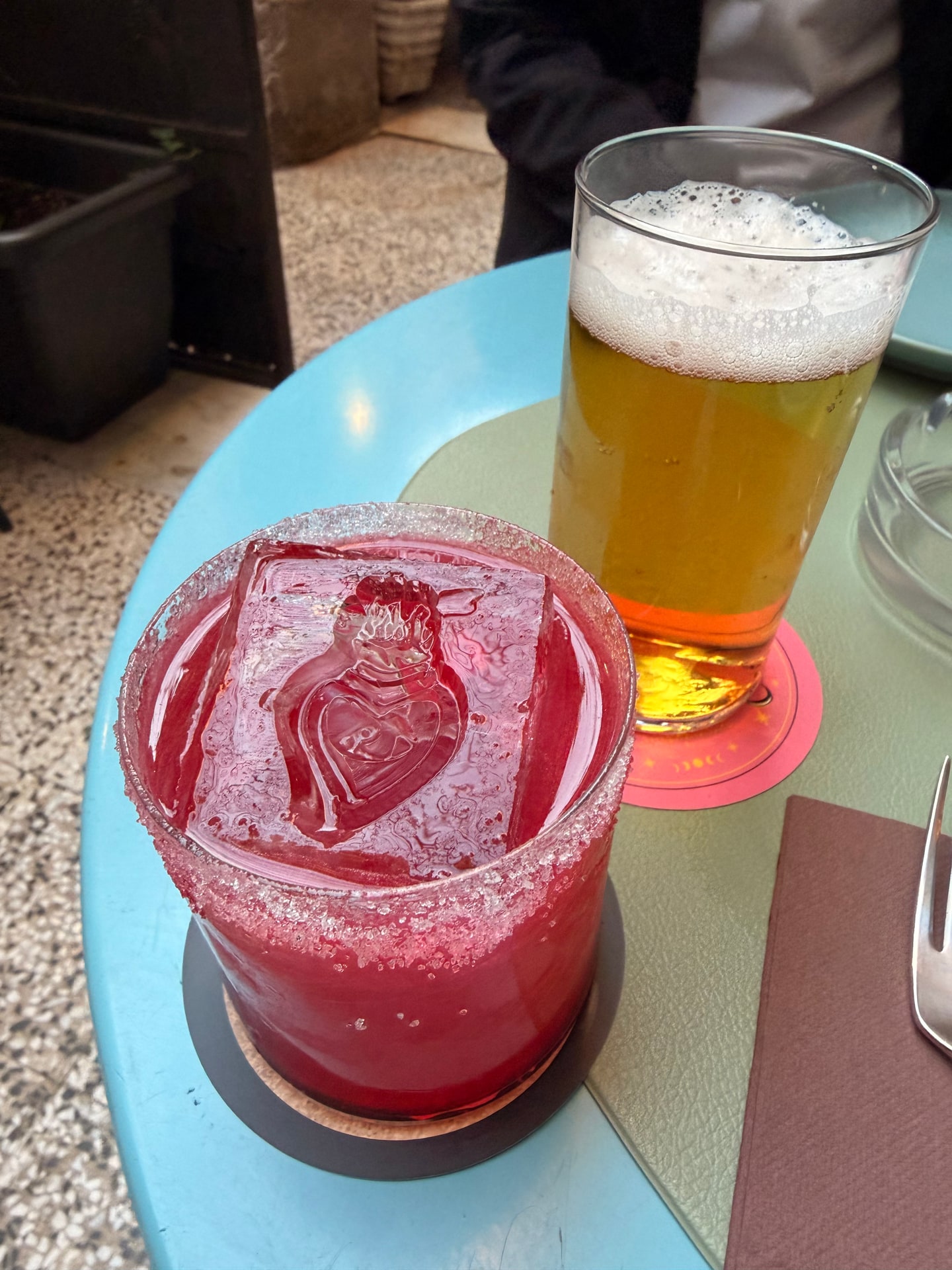
Rome sightseeing is heavy, so I would plan food breaks intentionally instead of hoping something good appears when everyone is starving. My biggest yeses were Osteria da Fortunata, Gelateria La Romana, Barnum, All’Antico Vinaio, and CULTO in Trastevere.
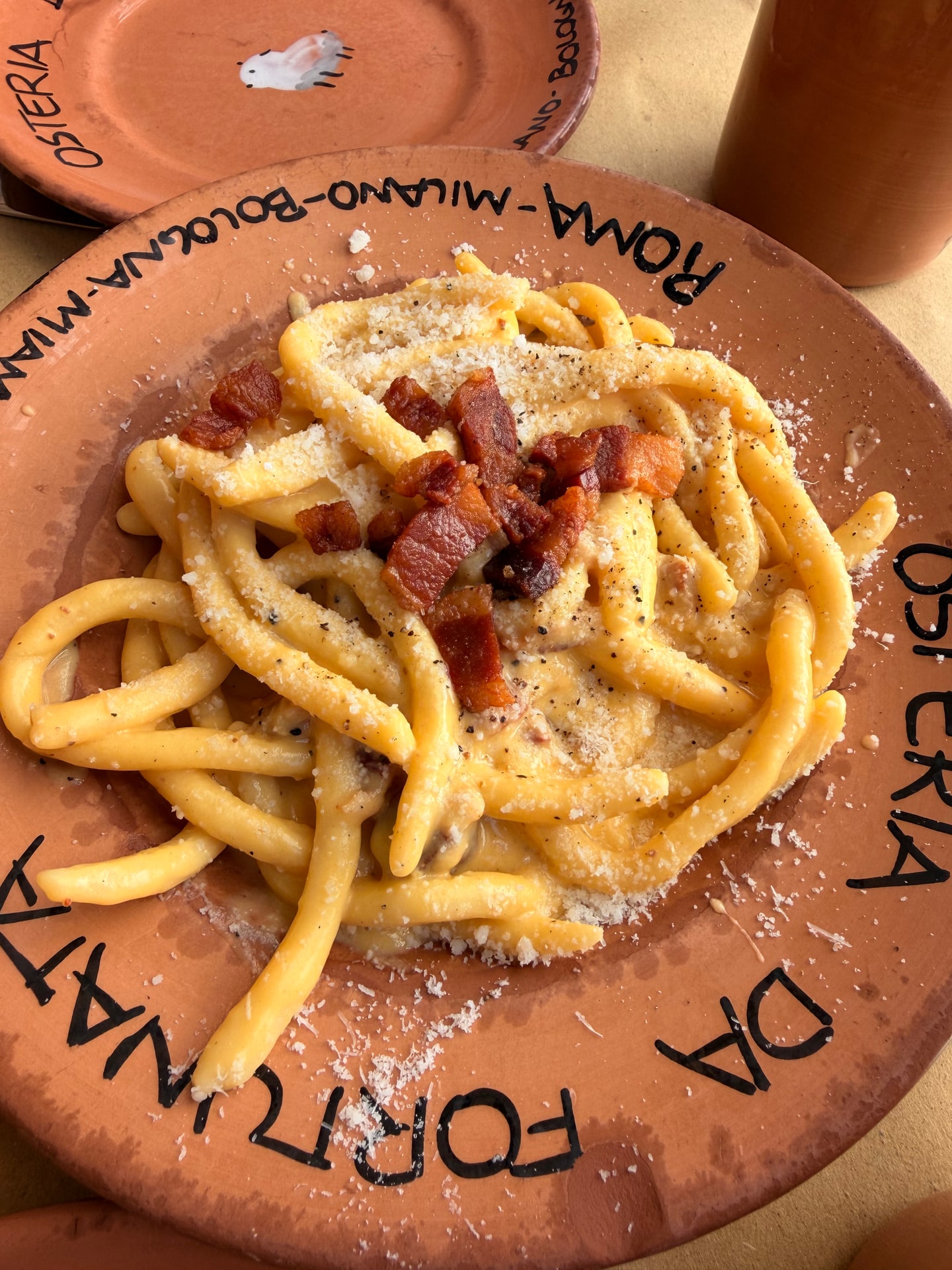
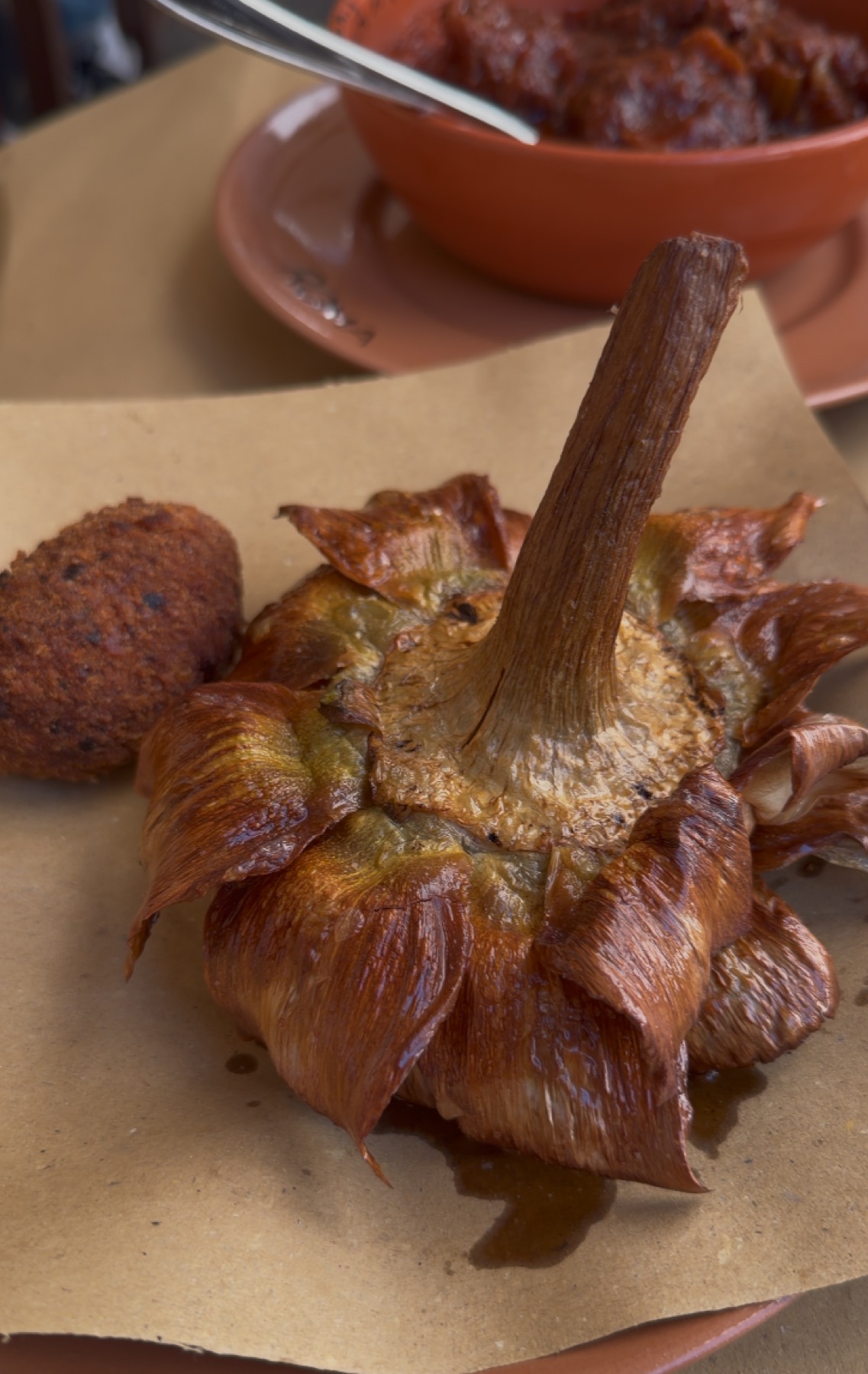
At Osteria da Fortunata, the carbonara was insane. I do not know what they laced the bacon with, but it was addicting, and the suppli pull was better than it had any right to be. Go at off-hours if you can because the lines are real.
Gelateria La Romana is the gelato stop I would repeat. Get the cone so you can have it dipped in pistachio or chocolate, and try stracciatella if you want the flavor that made me understand the hype. Barnum is worth saving for breakfast, especially if you are near the center and want buttery, flaky cornetti before a big museum day.

Extra Activities
Once the first-trip essentials are handled, choose one extra activity based on your travel style. Do not add all of these just because they exist. Rome is better when you leave space.
Pick the Borghese Gallery if you want a focused art museum that is smaller and easier to manage than the Vatican. Choose the Appian Way, aqueducts, or catacombs if you want ancient history outside the historic-center crowds. If you are traveling with kids, gladiator school is a fun hands-on break. If your trip is photo-forward, a vintage Fiat 500 photoshoot is very Rome-coded in the best way.

Photo: Fabrizio Garrisi via Wikimedia Commons, CC BY-SA 4.0.
Day Trips from Rome
If you have only 2 or 3 days in Rome, I would stay in Rome. There is already more than enough to fill the trip, and a long day trip can steal time from the places you actually came to see.
If you have 4 or more days based in Rome, Pompeii is the most obvious day trip. Choose Pompeii and Vesuvius if ancient ruins are the priority. Choose Pompeii, Amalfi Coast, and Sorrento if you want a huge sightseeing day with both ruins and coastal scenery. Just know it will be a long day, not a restful one.
What I Would Prioritize
For a first Rome trip, my personal priority order would be: Colosseum with arena access, Vatican Museums, the Pantheon-to-Trevi-to-Spanish Steps walk, Altar of the Fatherland, one intentional pasta/gelato day, and a Trastevere evening.
That gives you the iconic Rome experience without turning every hour into a timed reservation. And honestly, Rome is too beautiful to spend the whole trip sprinting. Leave yourself time to wander, stop for gelato, look up at ceilings, and let the city do its thing.
Keep exploring
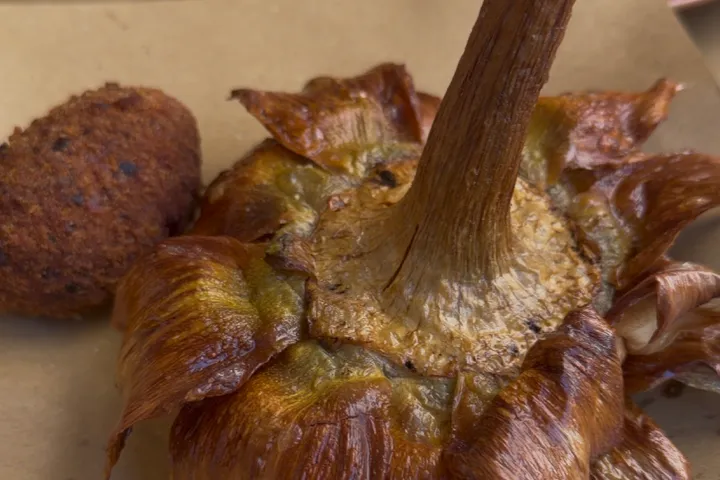
What to Eat in Rome: Pasta, Gelato & Honest Reviews
A first-hand Rome food guide to the best pasta, gelato, cafes, sandwiches, and cocktail bars, plus honest skips and a three-day food plan.
Rome Travel Tips I Wish I Knew Before Going
First-time Rome travel tips for booking the Colosseum and Vatican, avoiding crowd mistakes, grouping neighborhoods, walking smart, and choosing when tours are worth it.