Rome Travel Tips I Wish I Knew Before Going
Rome is magical, chaotic, ancient, crowded, delicious, exhausting, and somehow still completely worth it. But it is not a city I would plan casually, especially for a first trip. 🏛️
The biggest Rome mistake is assuming the famous sights will be easy to figure out once you arrive. The Colosseum has multiple ticket types, the Vatican line can get wild, Trevi Fountain is packed almost all the time, and the “10-minute walk” between stops starts to feel very different after a full day on cobblestones.
These are the Rome travel tips I would tell a friend before going: what to book early, how to group the city, when to use tours, what to expect from food, and where to leave room for the city to breathe.
Book the Colosseum and Vatican first. Once those two timed entries are set, the rest of your Rome itinerary becomes so much easier to arrange.
Book the high-pressure pieces first
If you are planning Rome from scratch, do not start with restaurants or cute neighborhoods. Start with the experiences that control your schedule:
- First: Colosseum, especially if you want arena or underground access.
- Second: Vatican Museums and Sistine Chapel.
- Third: Pantheon entry, Borghese Gallery, or any other timed museum you care about.
- Fourth: food tours, cooking classes, photoshoots, and night tours.
- Last: casual wandering, gelato, shopping, and piazzas.
That order keeps the trip from becoming one big “wait, what is still available?” scramble. Once the Colosseum and Vatican are locked, you can group the rest of the city around them instead of forcing a weird route.
Book the Colosseum as soon as your date opens
The Colosseum is not the place to panic-book whatever ticket is left the night before. If you want the best experience, decide early whether you care about the arena floor, the underground, or just the standard levels.
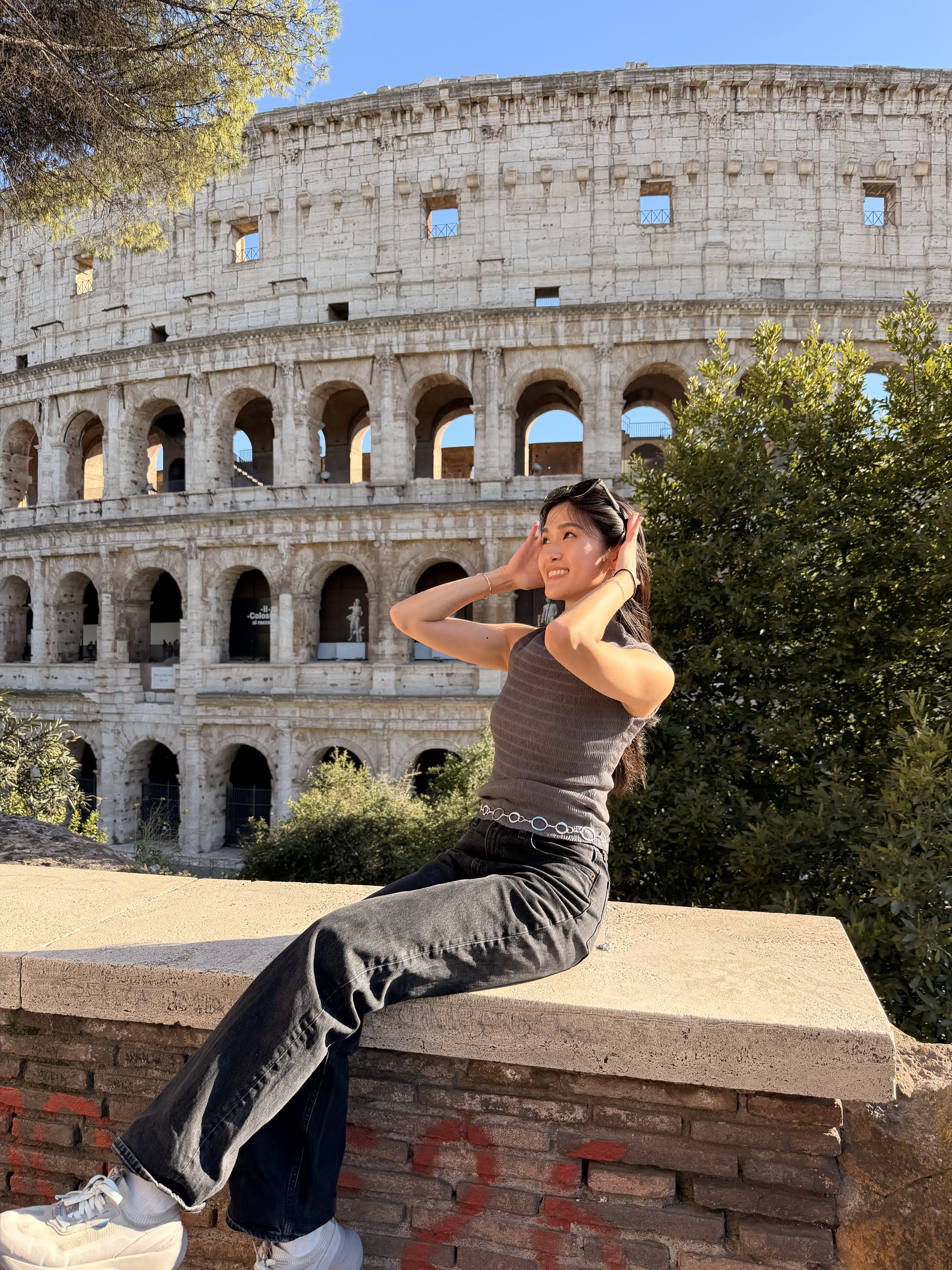
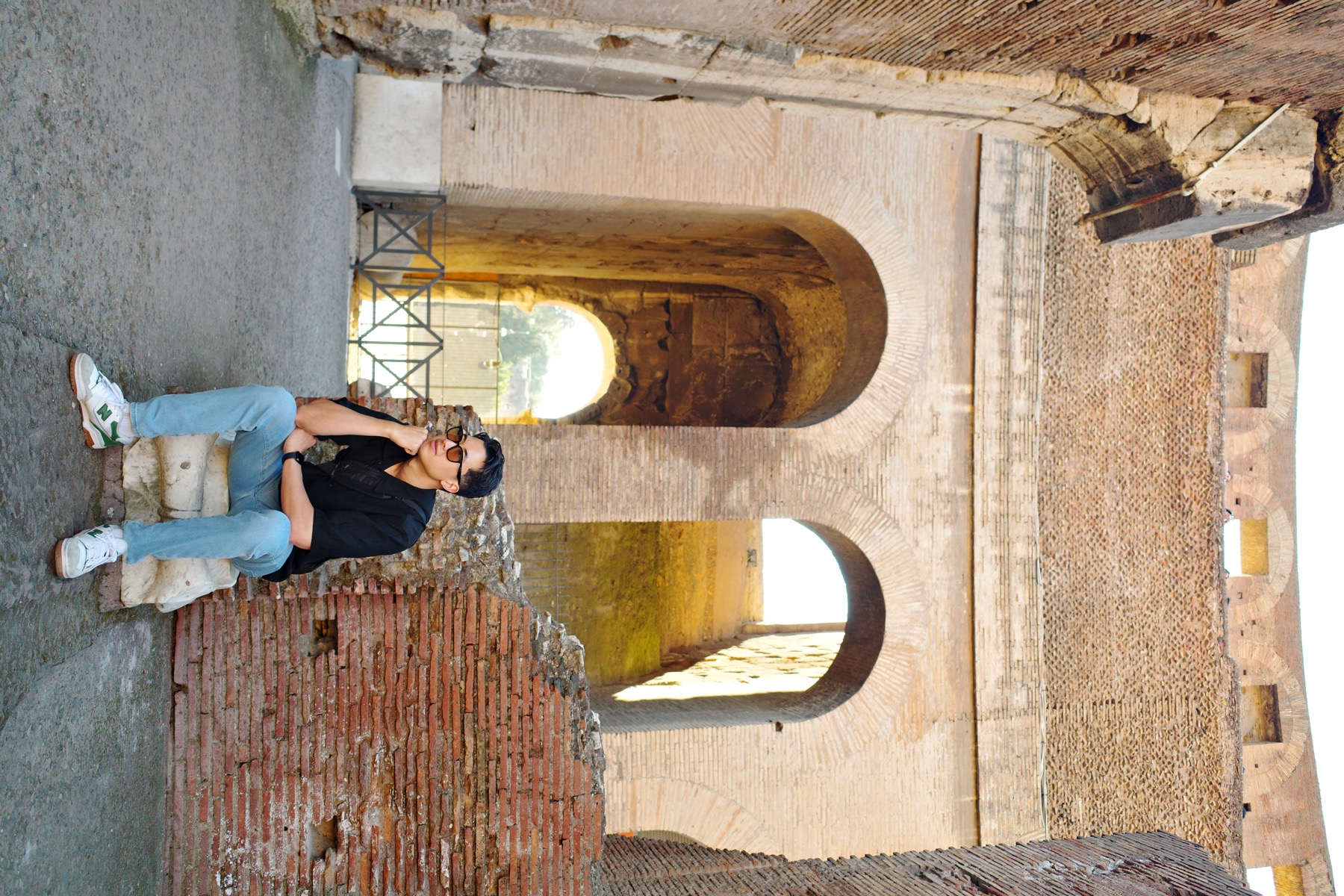
For a first trip, I would prioritize arena access if you can. Standing where gladiators once stood was the moment that made the Colosseum feel real instead of just impressive. You also get a view into the underground systems, which helps the whole place click.
The official Colosseum site says timed-entry tickets open 30 days before the visit date, and entry to the Colosseum requires booking a time slot. Hours change by season, so check the official Colosseum ticket and hours page before you build your day around one slot.
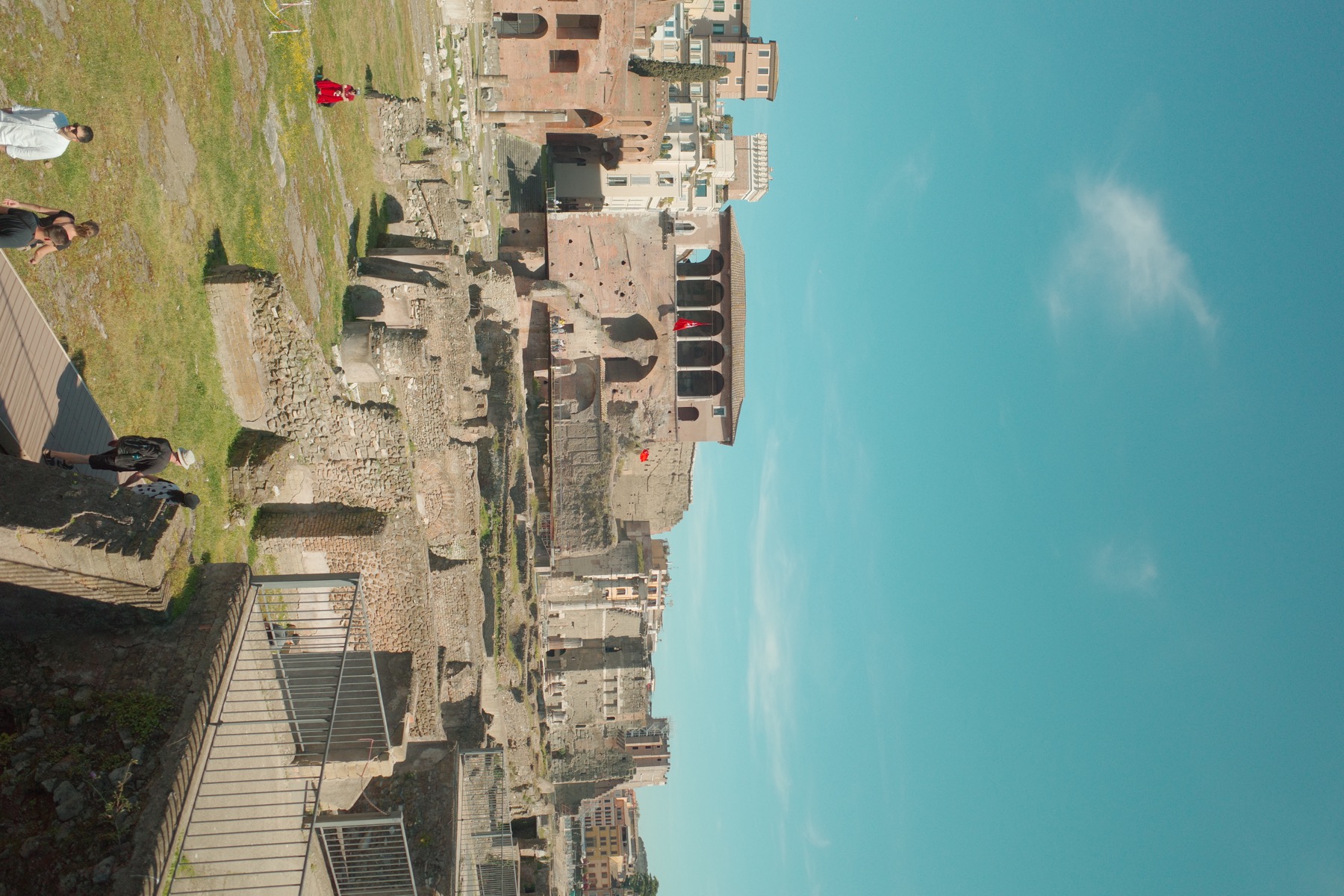
Give the Colosseum, Roman Forum, and Palatine Hill at least 3 hours. Wear comfortable shoes, bring water, and do not underestimate how much sun and uneven stone you will deal with in the ruins.
Do not wing the Vatican
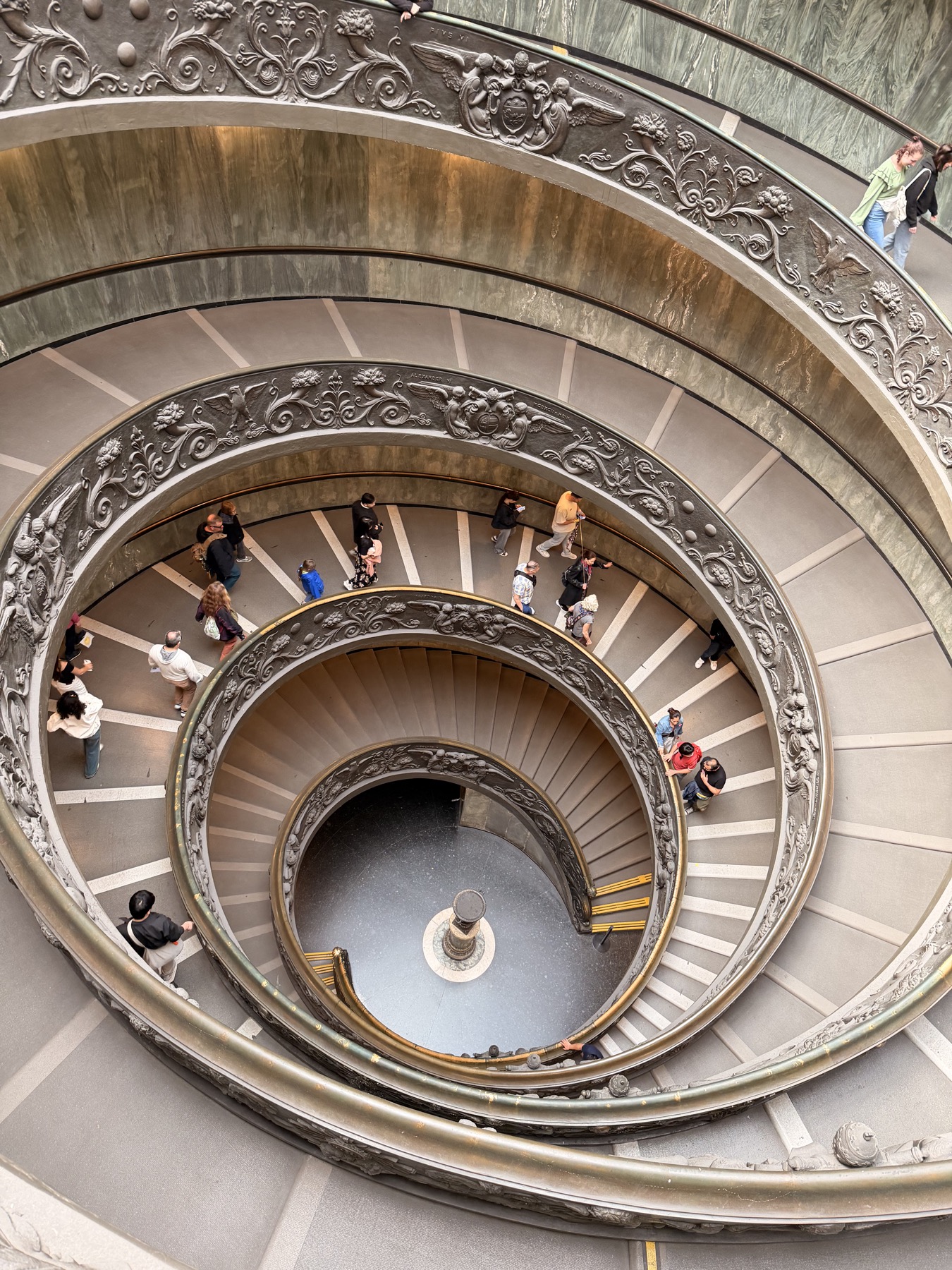
The Vatican Museums were genuinely jaw-dropping. Every ceiling and wall felt like it was overflowing with history, religion, art, and detail. The Sistine Chapel is one of those places where you could stare forever and still miss something.
But this is also one of the easiest Rome days to mess up. We had a reservation and still arrived into a very crowded morning. Without tickets, the line can be brutal. My strongest Vatican advice is simple: book ahead unless you want to wait for hours.
Plan at least 2 to 3 hours for the Vatican Museums and Sistine Chapel. Do not sandwich it between tight reservations. The museum route is long, security takes time, and the crowds make everything slower.
The official Vatican Museums schedule currently lists regular opening from Monday to Saturday, with special last-Sunday hours when that date does not conflict with certain holidays. Check the official Vatican Museums hours page before picking your day.
If you visit Vatican City on a Wednesday morning, there is sometimes a chance to catch the Pope around St. Peter’s Square because the Papal Audience is generally held on Wednesdays when the Pope’s schedule allows it. Treat that as a bonus, not a guaranteed itinerary item.
Expect Trevi Fountain to be packed
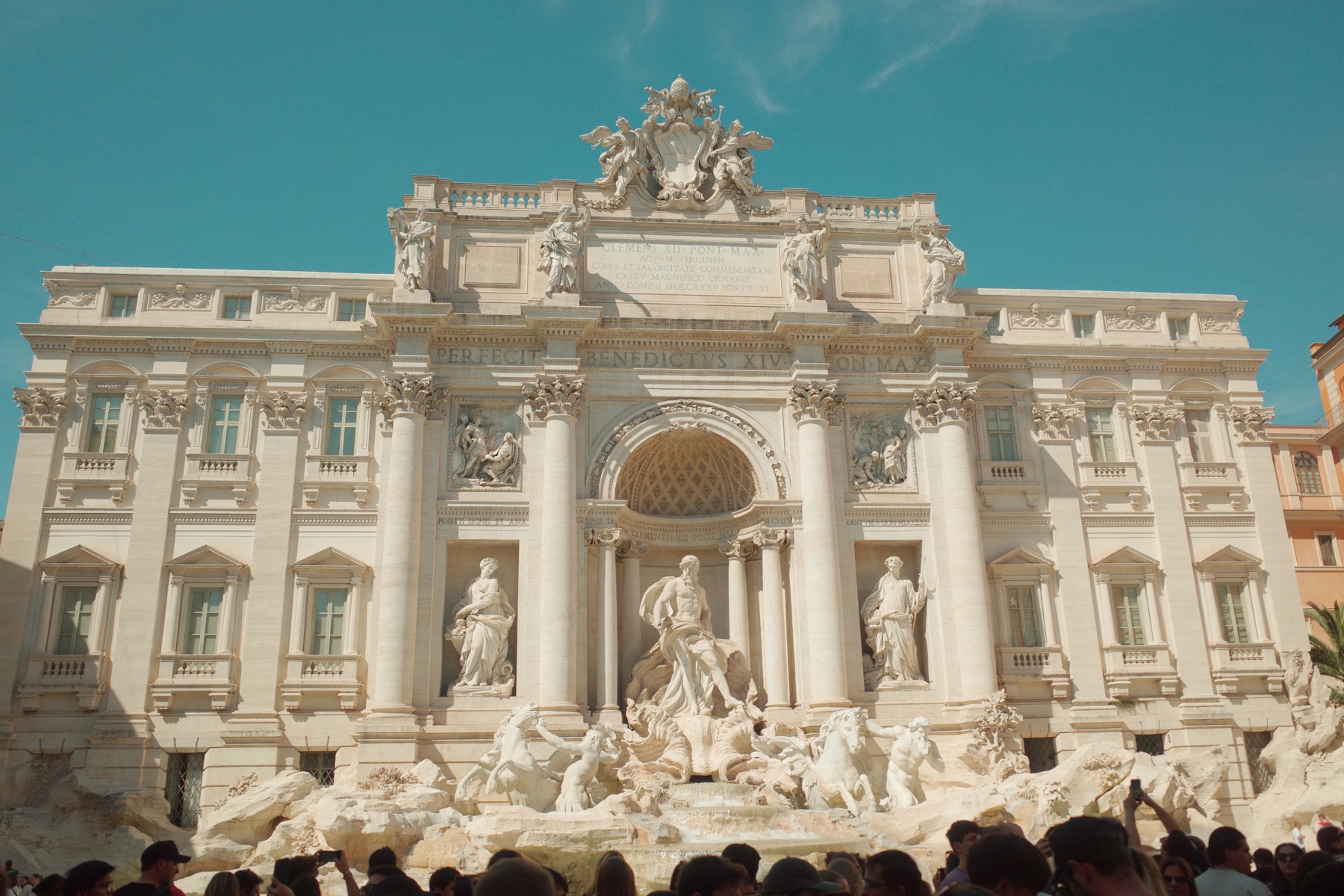
Trevi Fountain is beautiful, but it is not a peaceful little fountain moment. It is one of the most famous sights in Rome, and it usually feels like everyone else had the same idea at the same time.
If you want calmer photos, go very early. If you are visiting during normal sightseeing hours, expect crowds and enjoy it anyway. We mostly saw it from farther back, and it was still really, really beautiful.
The classic coin toss is: stand with your back to the fountain, toss a coin over your left shoulder with your right hand, and make your wish. Then let yourself move on. Trevi is worth seeing, but it does not need to hijack your whole afternoon.
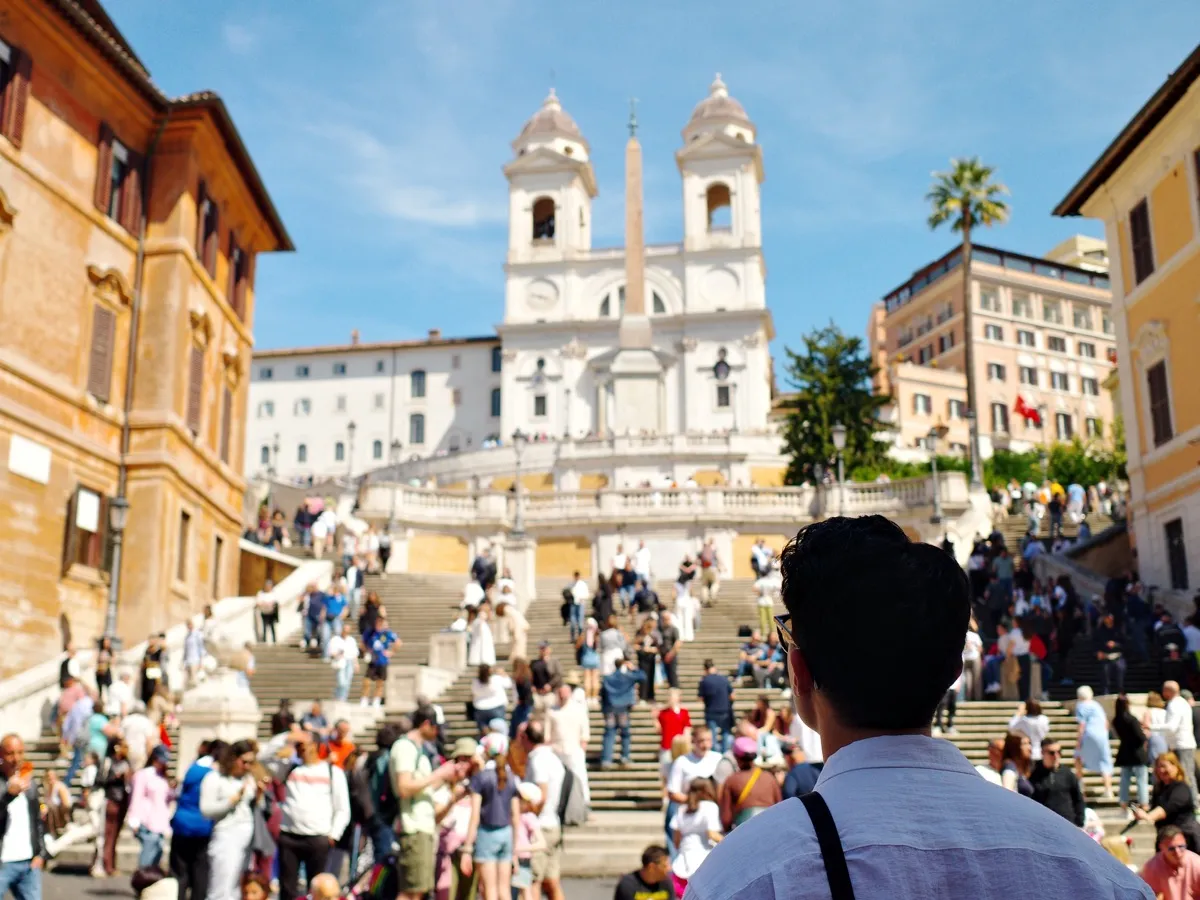
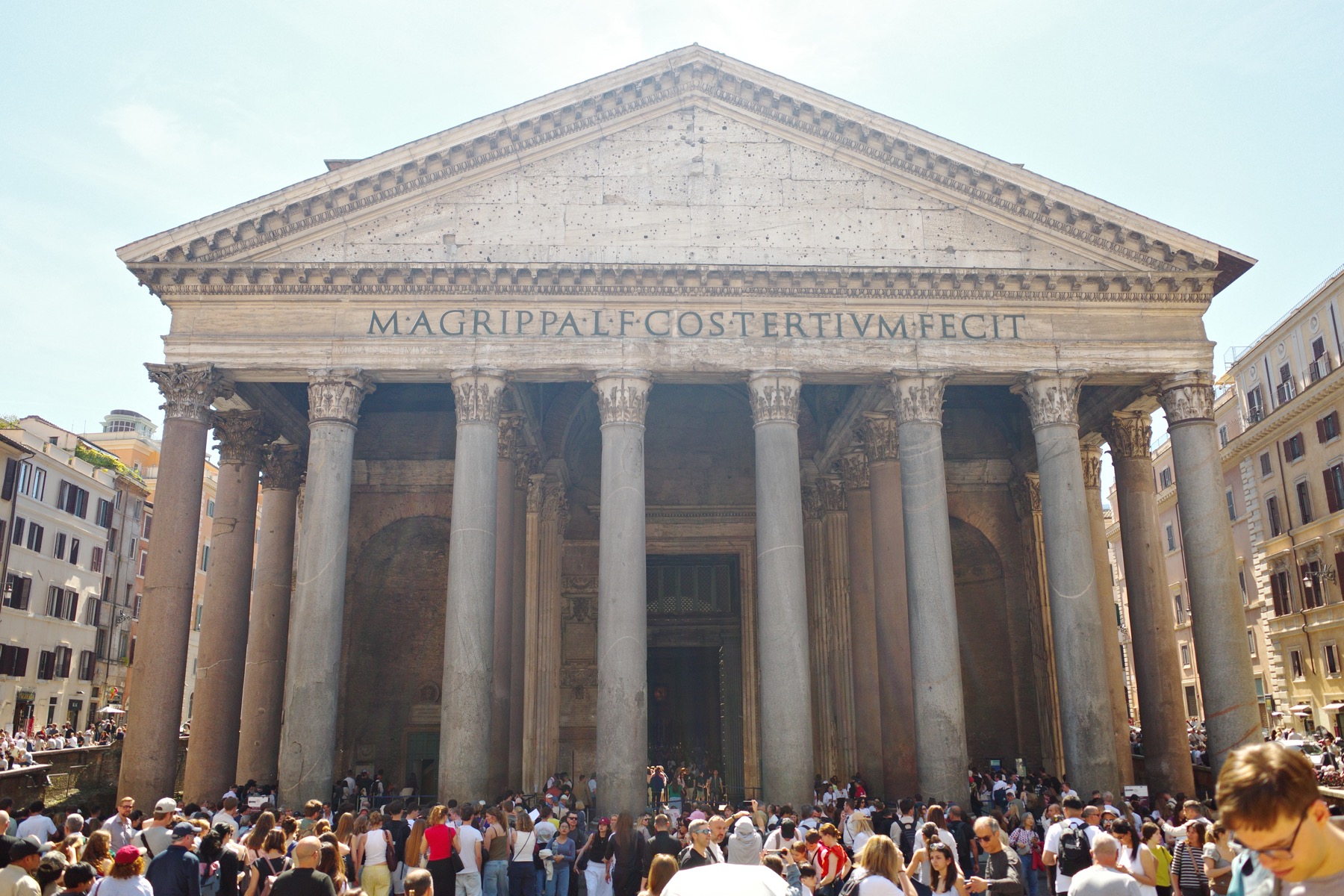
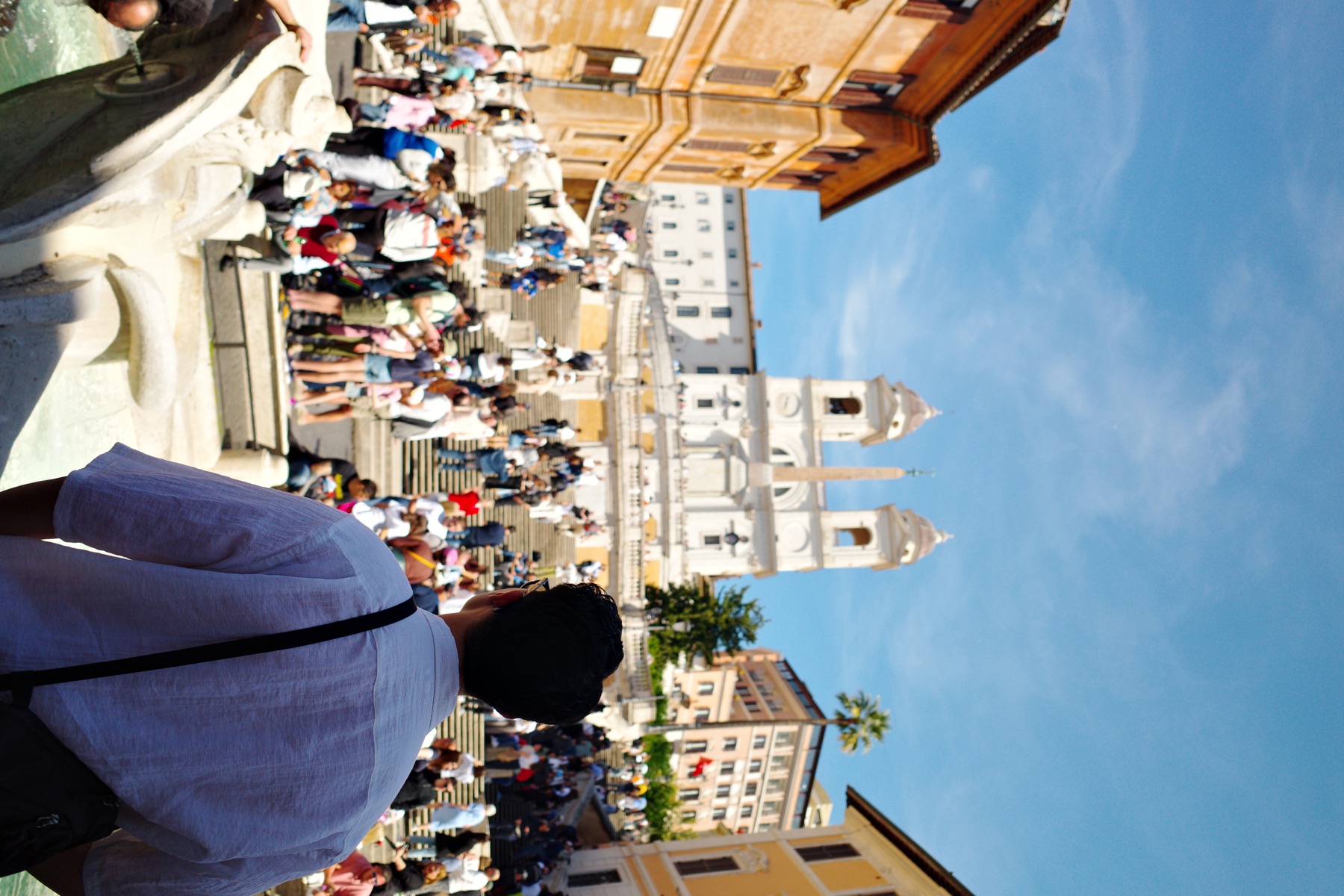
Pair Trevi with the Pantheon and Spanish Steps. The route is compact, easy to understand, and very first-trip Rome.
Pack for church dress codes
Rome sightseeing often means bouncing between ruins, piazzas, and active religious spaces in the same day. For the Vatican, St. Peter’s Basilica, and the Pantheon, dress respectfully and keep shoulders and knees covered. A lightweight scarf or layer is the easiest fix if you are visiting in warm weather.
This is also why I would avoid planning a full Vatican day in an outfit that only works for photos. You will be walking a lot, standing in lines, going through security, and spending hours indoors with crowds.
Group Rome by neighborhood, not by wishlist
Rome looks deceptively walkable on a map. A lot of sights are close, but the city is also hot, busy, cobblestoned, and full of detours. The best thing you can do is group your days geographically.
For a first trip, I would organize Rome like this:
- Historic center: Pantheon, Trevi Fountain, Spanish Steps, Piazza Navona, gelato, and dinner nearby. This is the easiest half-day walking route.
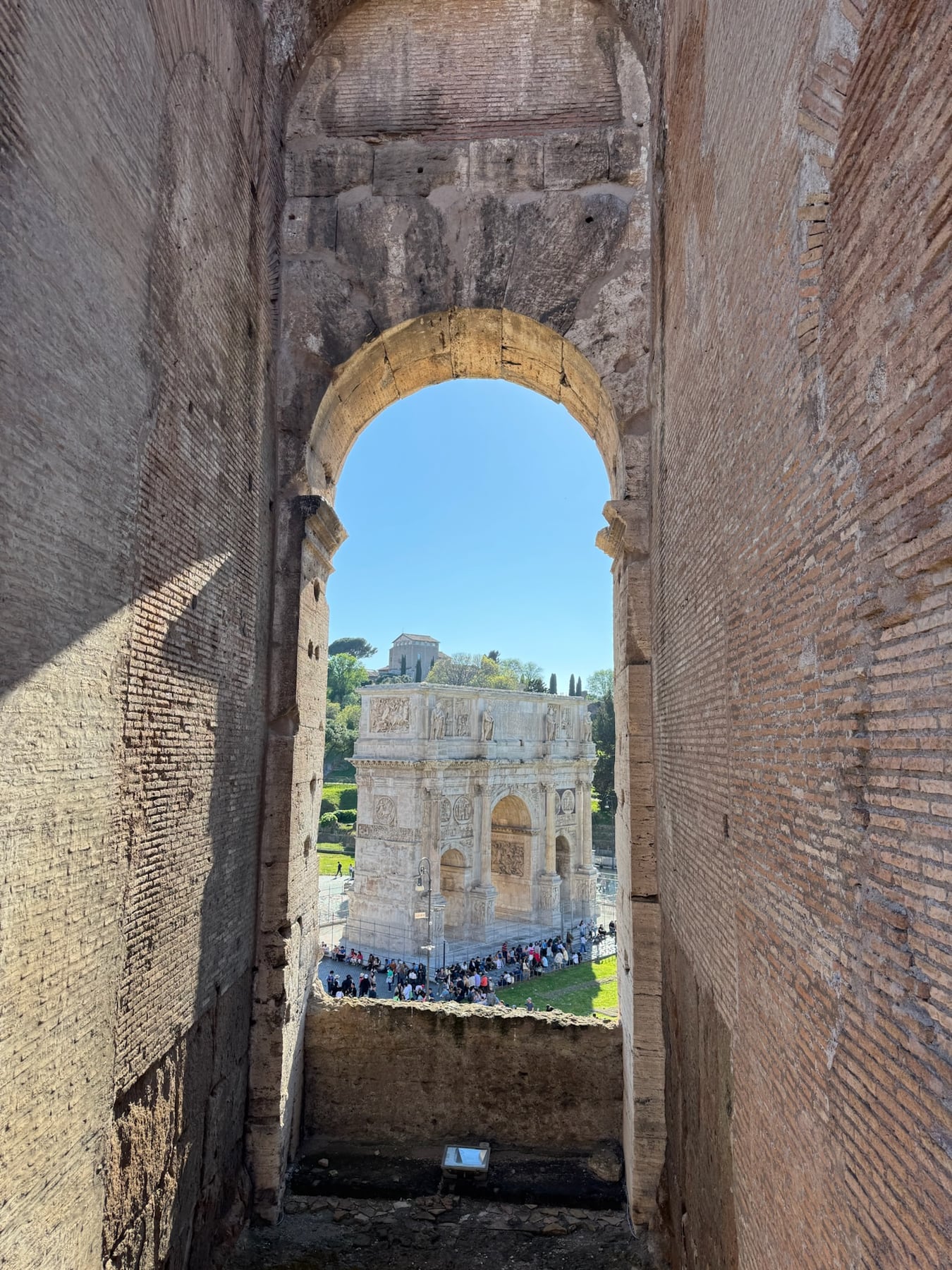
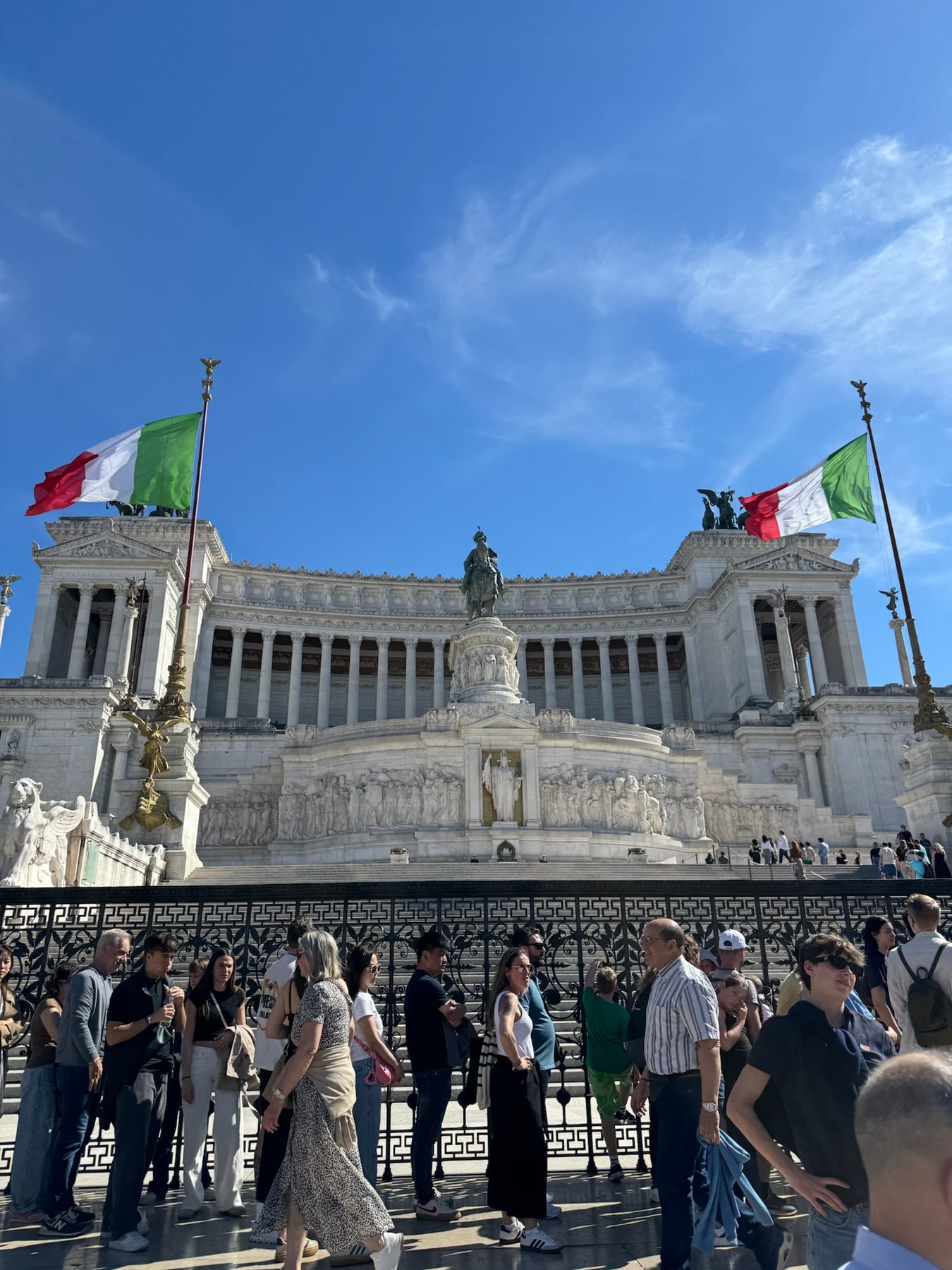
- Ancient Rome: Colosseum, Roman Forum, Palatine Hill, Altar of the Fatherland, and Monti. Do this on a day when you can handle sun, stone, and stairs.
- Vatican City: Vatican Museums, Sistine Chapel, St. Peter’s Square, and a slower lunch afterward. Do not pair this with a hard Colosseum deadline.
- Trastevere evening: golden-hour wander, drinks, bites, and a less scheduled night.
- Villa Borghese / Piazza del Popolo: Borghese Gallery, gardens, Spanish Steps, and shopping if you want a calmer museum day.
This is how you avoid turning Rome into a cross-city scavenger hunt. Pick one main zone per half day, then add nearby food and photo stops instead of bouncing back and forth.
Build in more walking buffer than you think
Rome is not hard to walk, but it is tiring to walk all day. Cobblestones, uneven ruins, stairs, heat, crowds, and museum routes add up fast.
My rule would be: if Google Maps says a walk is 15 minutes, assume it may feel like 25 once you add photos, crowds, water breaks, and “wait, which alley?” moments. Wear shoes you have already broken in. Save cute-but-dangerous shoes for a dinner that does not require 20,000 steps first.
Use taxis or rideshare-style apps when the walking math stops making sense. Public transit can help for longer distances, but many central Rome sightseeing days are easier as a walk-plus-taxi rhythm than a perfectly optimized transit plan.
For a first trip, I would stay as central as your budget allows: historic center, Monti, Campo de’ Fiori/Navona, or Trastevere if you want more evening atmosphere. You do not need to be beside every sight, but you do want an easy way back when the afternoon heat or museum fatigue hits.
Know when a tour is actually worth it
You do not need a guided tour for every Rome sight. For Trevi Fountain, Spanish Steps, piazzas, and casual wandering, independent exploring is totally fine.
Tours are worth considering when the site is complicated, ticketed, crowded, or hard to understand without context. The Colosseum and Roman Forum are the best example: you can absolutely visit independently, but the ruins become much more meaningful when someone explains what you are looking at.
The Vatican is another good tour candidate if you want the art, chapel, and basilica logistics handled together. And for something lower-walking, a night golf cart tour can be a smart way to see lit-up Rome without ending the day exhausted.
Temper your food expectations
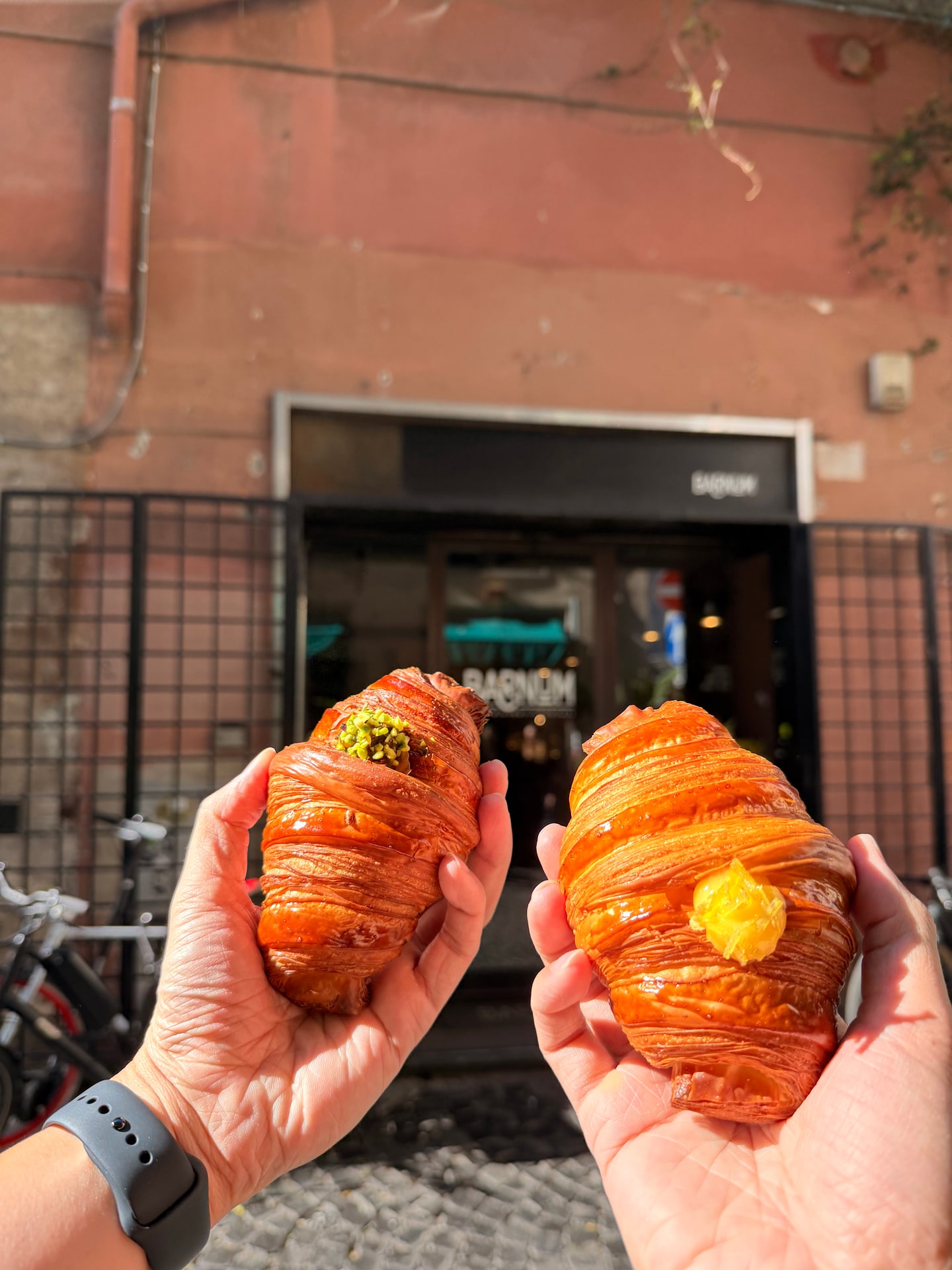
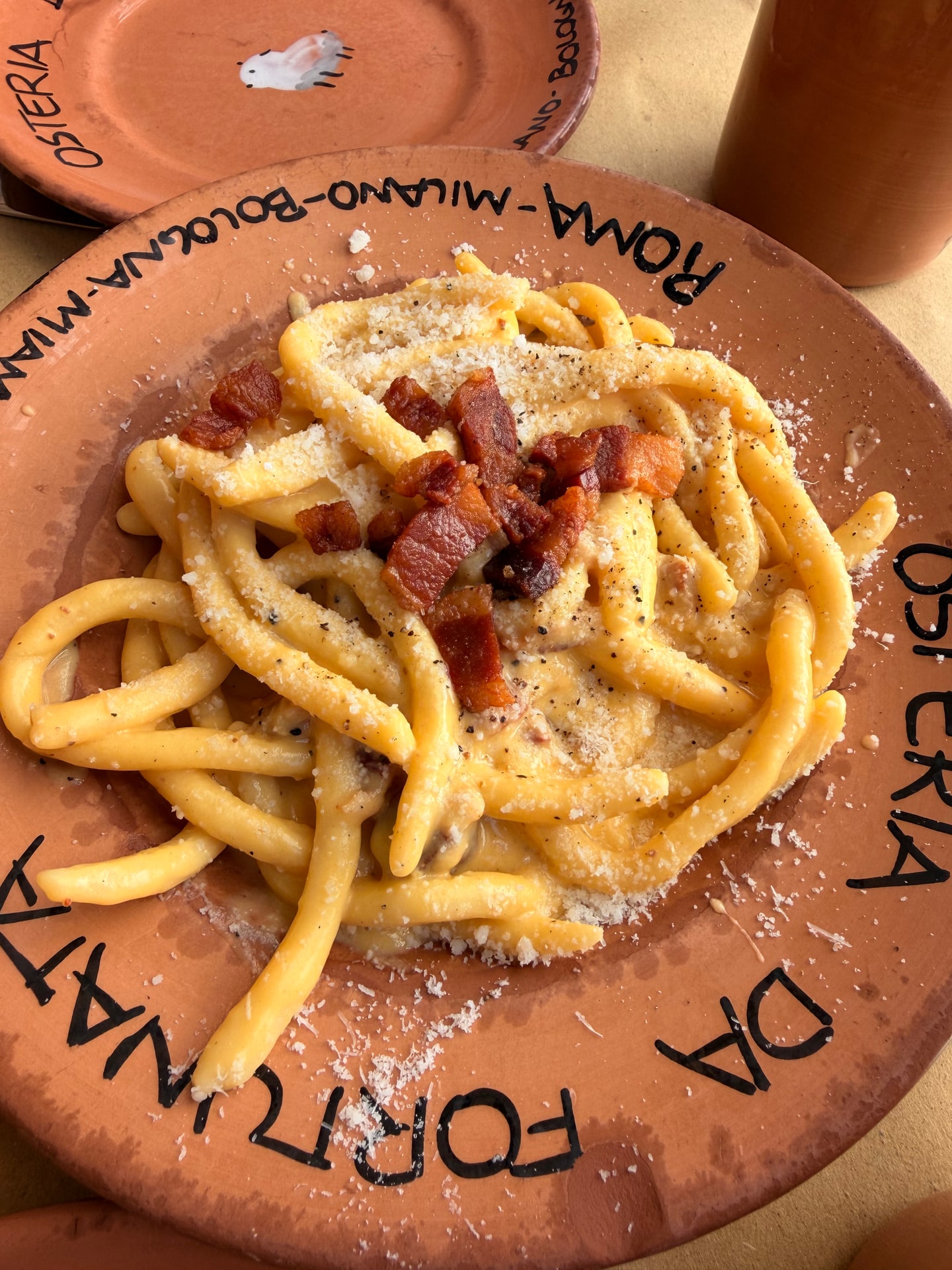
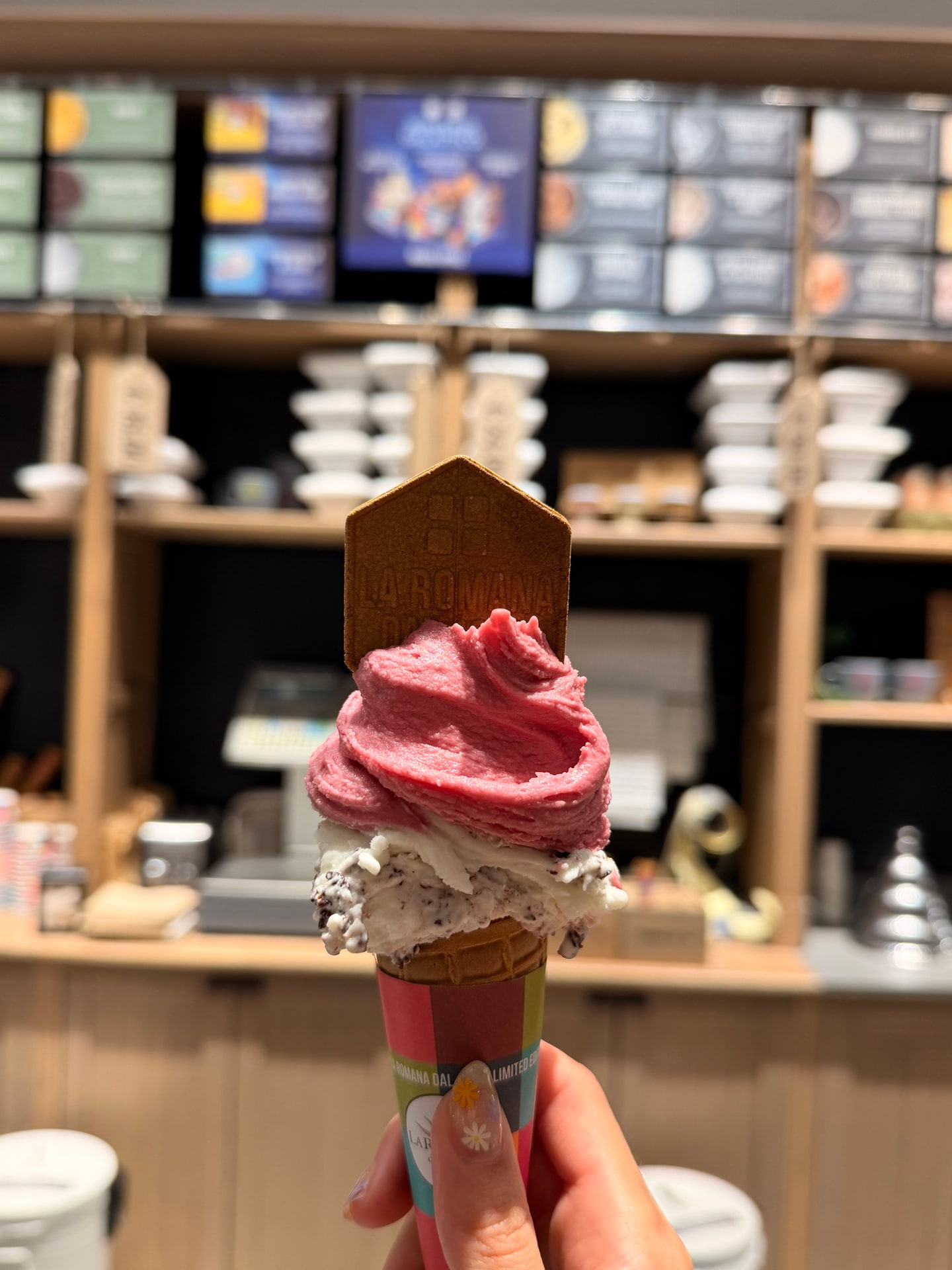
Rome food can be SO good, but not every random meal is automatically magical. That was one of my biggest takeaways. Some meals were incredible: Osteria da Fortunata, Gelateria La Romana, Barnum, All’Antico Vinaio, CULTO. Other convenient stops were more mixed.
Do a little food planning, especially around the big sights. Tourist-heavy areas can still have great food, but you do not want to choose lunch only because everyone is starving and the restaurant is directly in front of you.
For the full breakdown of what I would actually save, use my Rome food guide. For the day-by-day route, use my 3 days in Rome itinerary.
Leave one evening unscheduled
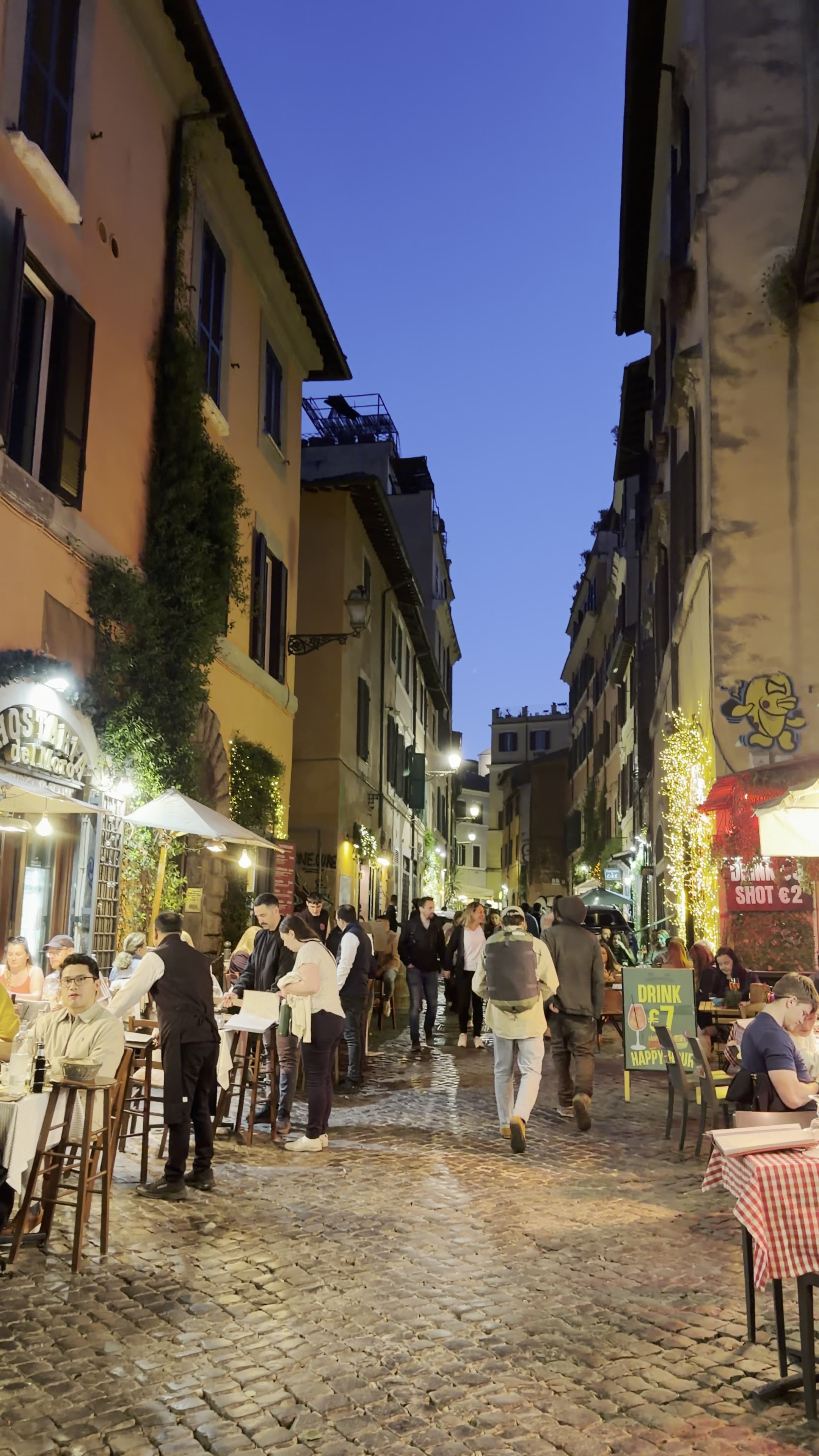
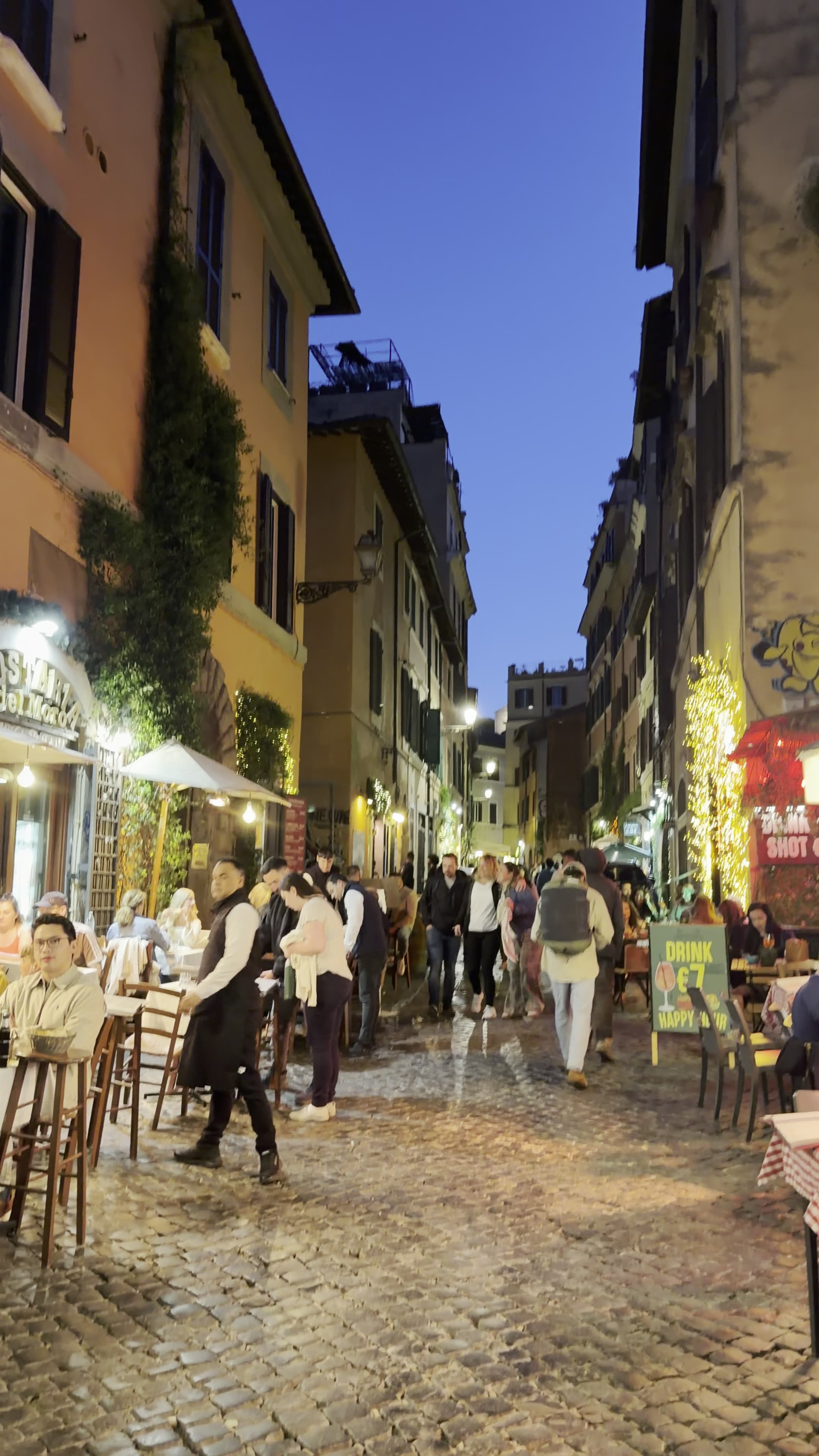
Rome has so many must-sees that it is tempting to plan every hour. I would leave at least one evening loose, ideally in Trastevere.
After museums, ruins, and lines, it feels amazing to just walk, get a drink, order small plates, and stop trying to conquer the city. CULTO was the kind of final-night spot that made the day feel softer: cocktails, bites, and a neighborhood that felt lively without needing a checklist.
Rome rewards planning, but it also rewards knowing when to stop. Book the hard stuff early, group the city smartly, and leave enough breathing room for the trip to feel like a trip, not an exam ✨.
Keep exploring
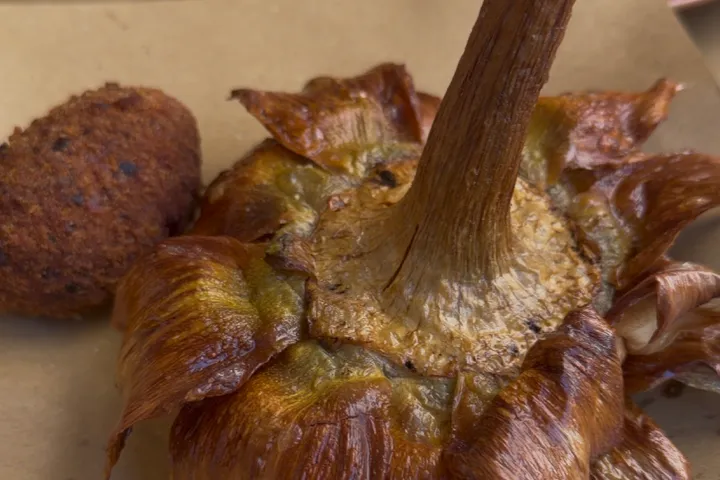
What to Eat in Rome: Pasta, Gelato & Honest Reviews
A first-hand Rome food guide to the best pasta, gelato, cafes, sandwiches, and cocktail bars, plus honest skips and a three-day food plan.
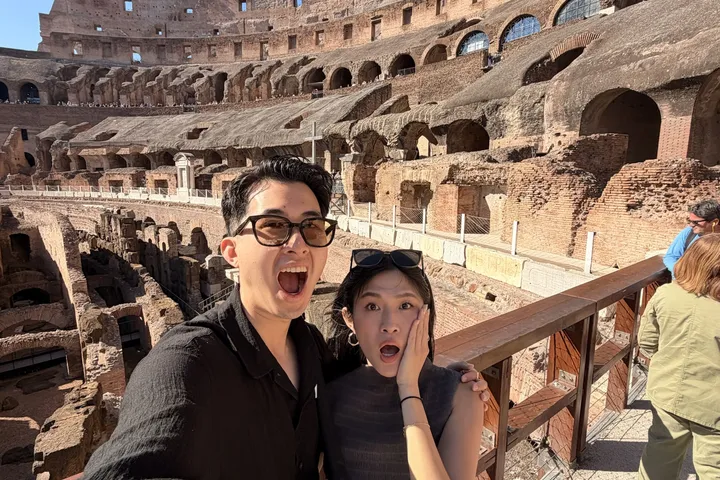
Rome Colosseum Tickets: Which One Should You Book?
A practical guide to Rome Colosseum ticket types, including arena floor, underground, Roman Forum, Palatine Hill, guided tours, and what I would book for a first visit.