9 Venice Travel Tips for a First Trip: What I Wish I Knew
Venice is one of the most magical places I have ever been, but it is also one of the easiest cities to plan badly. The canals, tiny bridges, gondolas, and alleyways are SOOO beautiful, but those same things make Venice less straightforward than other Italy stops.
You cannot just assume every hotel is easy with luggage, every famous sight can be handled last-minute, or every restaurant with a pretty view will be worth it. A few small choices make the whole trip smoother: where you stay, what you book ahead, when you use the vaporetto, how you plan food, and how much time you leave for wandering.
These are the nine Venice travel tips I would tell a friend before a first trip, especially if you only have one or two days. Think of them as your planning anchors: make arrival easy, book the high-pressure experiences first, and leave enough room for Venice to surprise you.
Stay Near The Station If You Have Luggage
Venice is not luggage-friendly. It is gorgeous, yes, but it is also full of bridges, stairs, uneven stone, narrow lanes, and crowds. If you are arriving by train, airport bus, or car transfer, staying near Venezia Santa Lucia Station or Piazzale Roma can make arrival and departure so much easier.
Santa Lucia is the easiest reference point for train arrivals. Piazzale Roma is the practical area for airport buses, car transfers, and anyone arriving from the mainland by road. That area may not sound as romantic as staying deep in the maze, but it feels very smart when you are not dragging a suitcase over bridge after bridge before the trip even starts.
For a first trip, I would think about Venice neighborhoods like this:
- Santa Lucia / Piazzale Roma: best for luggage, early trains, airport buses, and short stays.
- San Polo / Rialto: central, scenic, and useful if you want easy access to food, Rialto Bridge, and the Grand Canal.
- San Marco: closest to the biggest landmarks, but often busier and pricier.
- Cannaregio: a little more local-feeling while still practical, especially if you do not mind walking.
- Dorsoduro: artsy, calmer, and lovely for a slower trip, but less convenient for a very short stay.
For a first trip, I would choose convenience over romance unless you are staying several nights. Drop your bags easily, then spend your energy on the canals, not your suitcase.
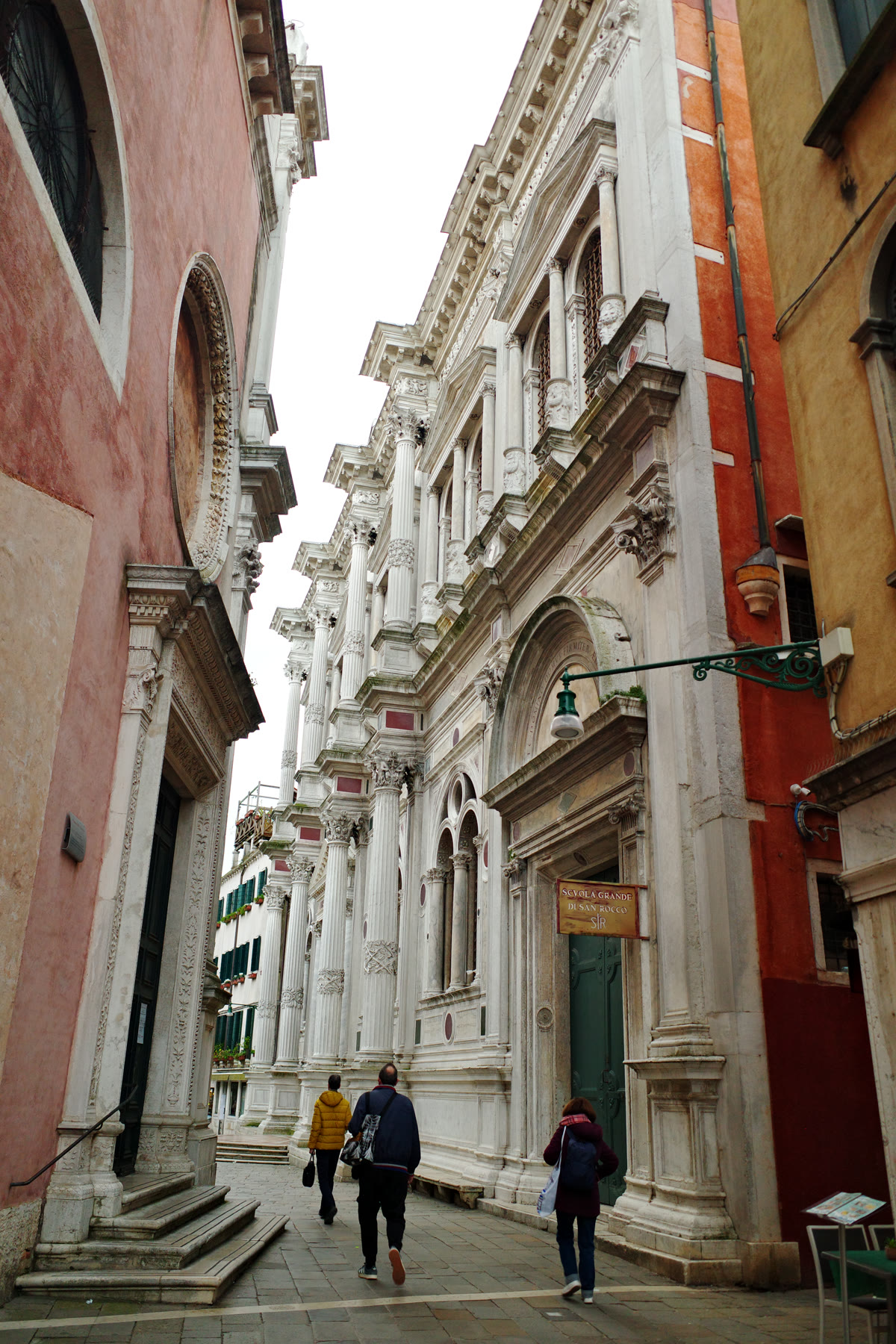
Book San Marco Before You Land
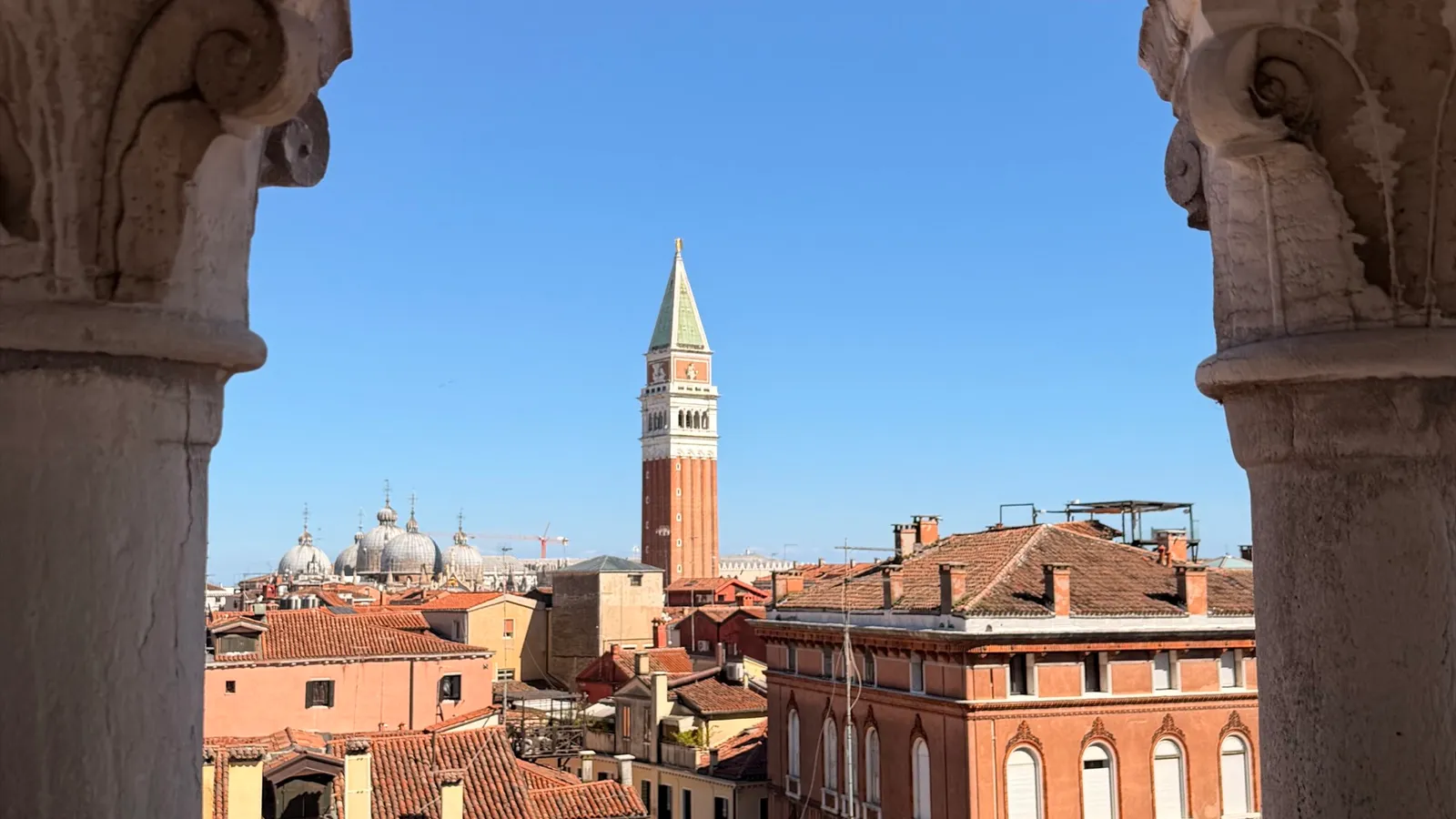
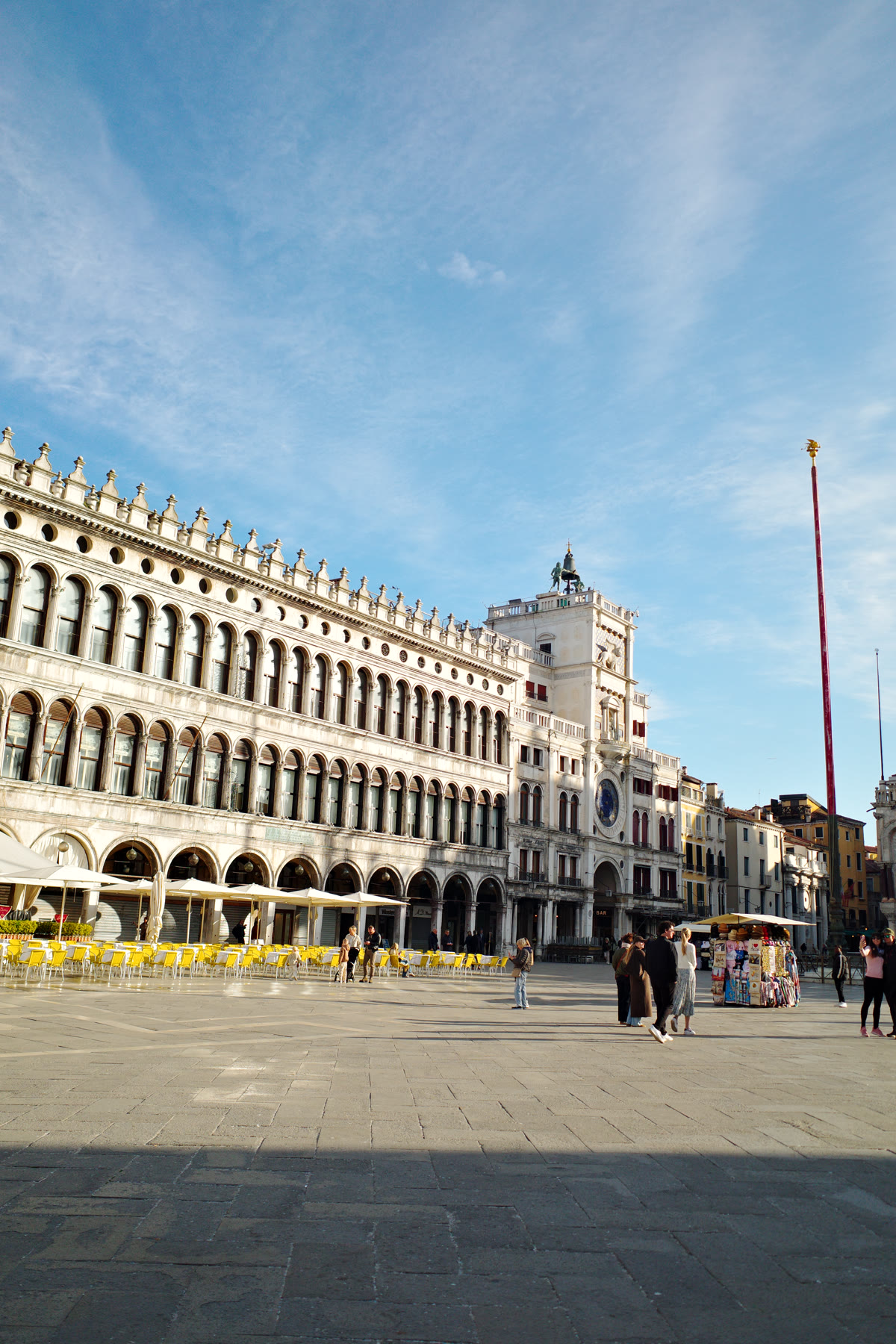
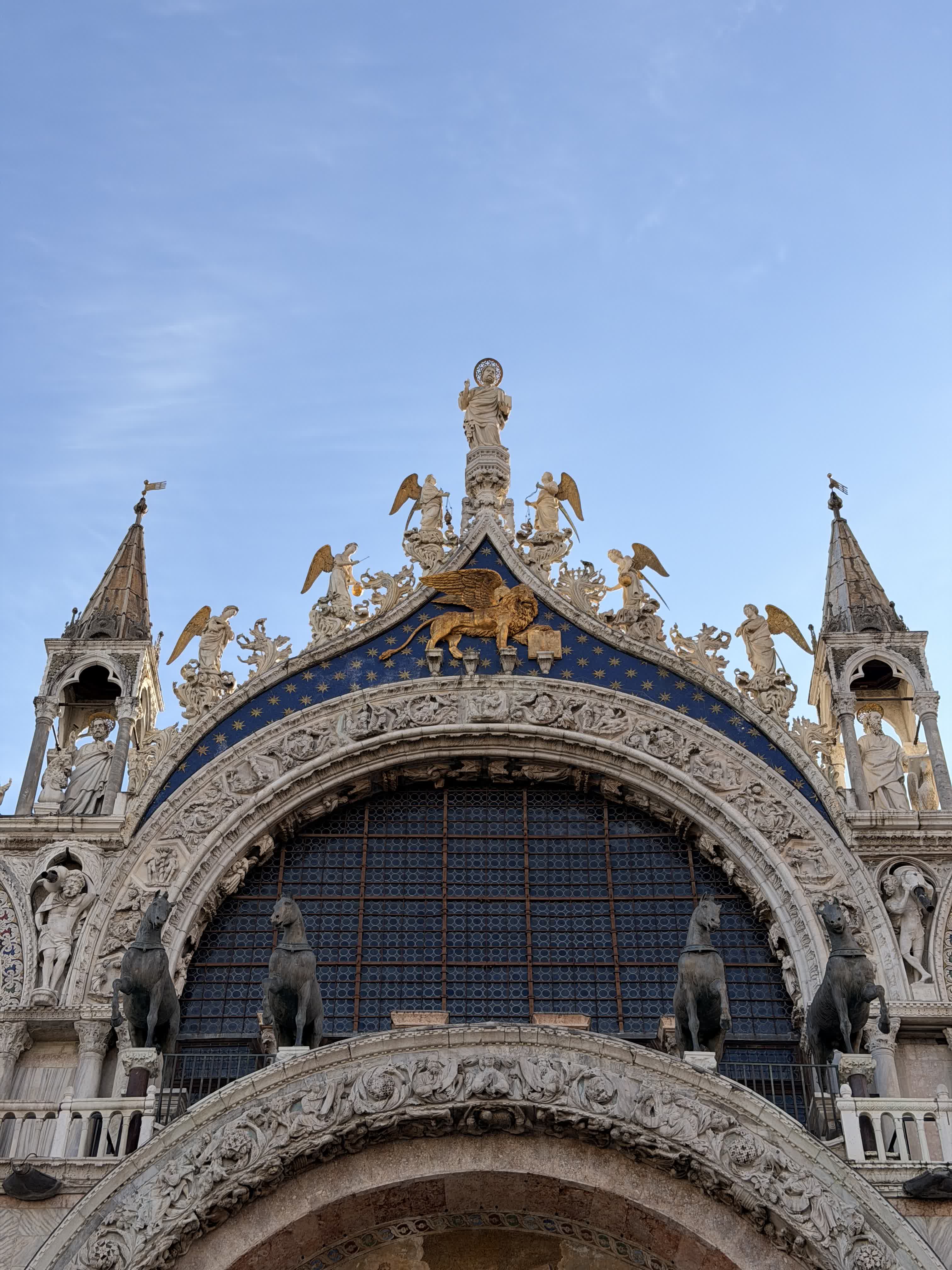
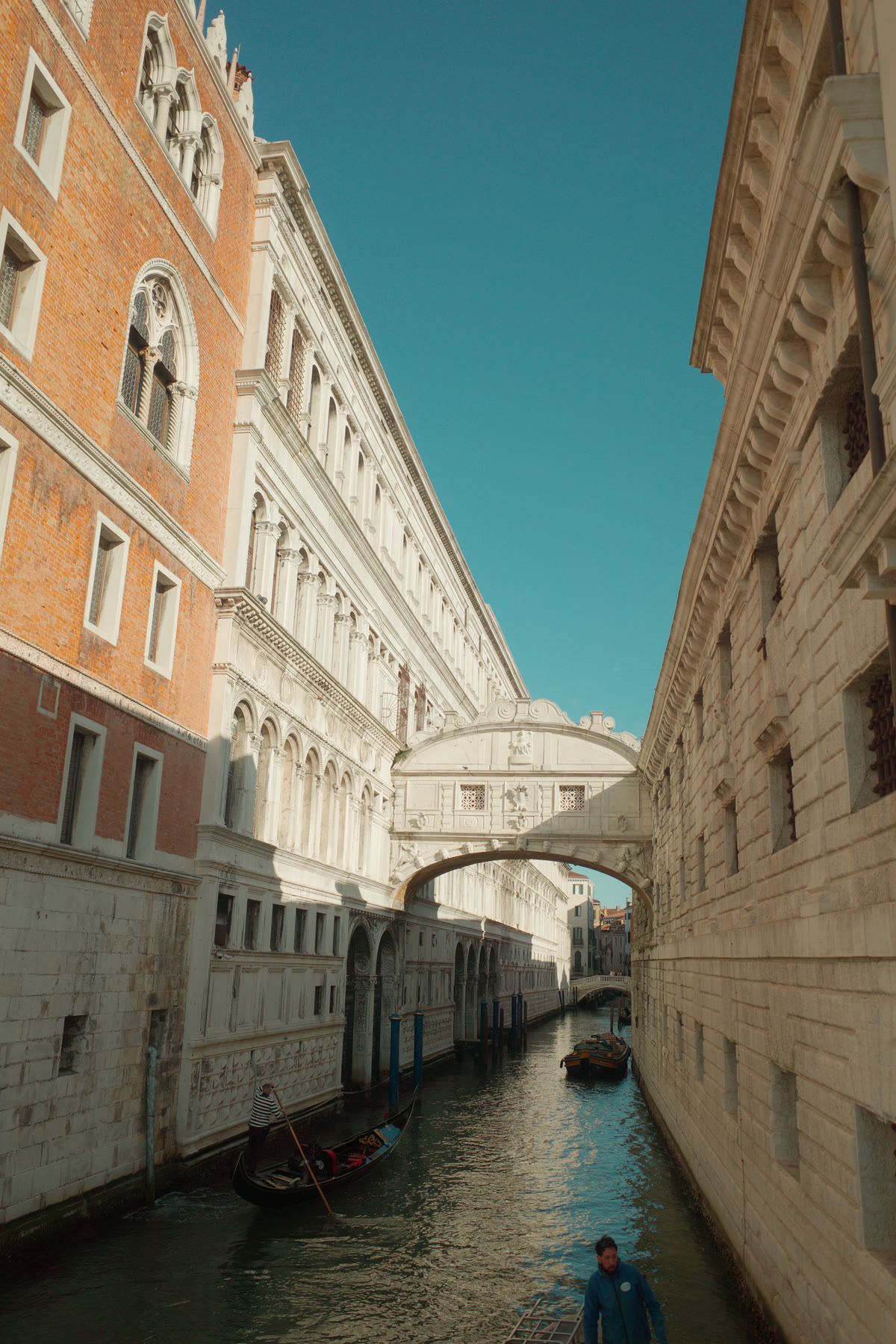
If you only book one sightseeing block ahead, make it Piazza San Marco. This is where you will find St. Mark’s Basilica, Doge’s Palace, St. Mark’s Campanile, the Bridge of Sighs, and Torre dell’Orologio all clustered together.
Even if you are a relaxed traveler, this is not the part of Venice I would leave completely loose. The square is incredible, but it is also crowded, ticketed, and full of sights where timing matters. For a first trip, plan roughly 2-4 hours here depending on whether you only see the Basilica or add Doge’s Palace, the Campanile, and a slower walk around the square.
For St. Mark’s Basilica, the official ticket terms say timed access is only allowed around your booked time, and visitors should cover shoulders and knees. The Basilica ticket page also notes that backpacks or luggage larger than 40 cm x 30 cm x 20 cm are not allowed, and trolleys are not allowed.
For Doge’s Palace, the official visitor page lists seasonal hours, ticket details, luggage rules, and visitor announcements. If you care about history, this is the sight where a guide can help the most because the palace, prisons, and Bridge of Sighs have so much context.
Go early if you want the square to feel calmer, or later in the afternoon if you want to pair San Marco with an evening wander. Just do not leave the actual tickets until the last second.
Check The Venice Access Fee
If you are visiting Venice as a day tripper, check the official Venice Access Fee rules before you go. For 2026, the fee applies on selected dates from 8:30 a.m. to 4 p.m. for access to the ancient city of Venice, not the smaller lagoon islands.
The official Access Fee page says the 2026 amount is EUR5 if paid by the fourth-last day before your visit, or EUR10 if paid later. Overnight guests and several other categories may be exempt, but you may still need the correct registration or QR code.
The important thing is not to guess. Check your exact date on the official calendar, especially if you are going between spring and midsummer, on a weekend, or during a holiday period. If you are staying overnight in Venice, check the exemption instructions instead of assuming the fee simply does not apply to you.
Use The Vaporetto Intentionally
The vaporetto is Venice’s public water bus. It is useful, scenic, and sometimes absolutely worth it, but I would not automatically buy a pass before thinking through your route.
Venice is extremely walkable once your luggage is put away. I personally did not need the vaporetto much for a short first trip because so many of the main sights connect well on foot: Rialto, San Marco, side canals, food stops, and viewpoints.
That said, a vaporetto pass can make sense if you are:
- staying farther from the center
- visiting Murano, Burano, or the Lido
- traveling with someone who needs fewer long walks
- arriving with a route that crosses the Grand Canal often
- planning several water bus rides in one day
As of the current Venezia Unica fare page, a standard 75-minute ACTV ticket is EUR9.50, with time-based passes starting at EUR25 for 24 hours. My rule would be simple: if you only need one or two rides, buy single tickets; if you are taking three or more rides or doing an island day, look at a pass.
Check the current Venezia Unica vaporetto fares before you commit, because prices and ticket rules can change.
Let Food Shape One Part Of Your Day
Venice can be tricky for food. The most scenic areas are also where it is easiest to end up in a tourist-menu meal that looks better than it tastes.
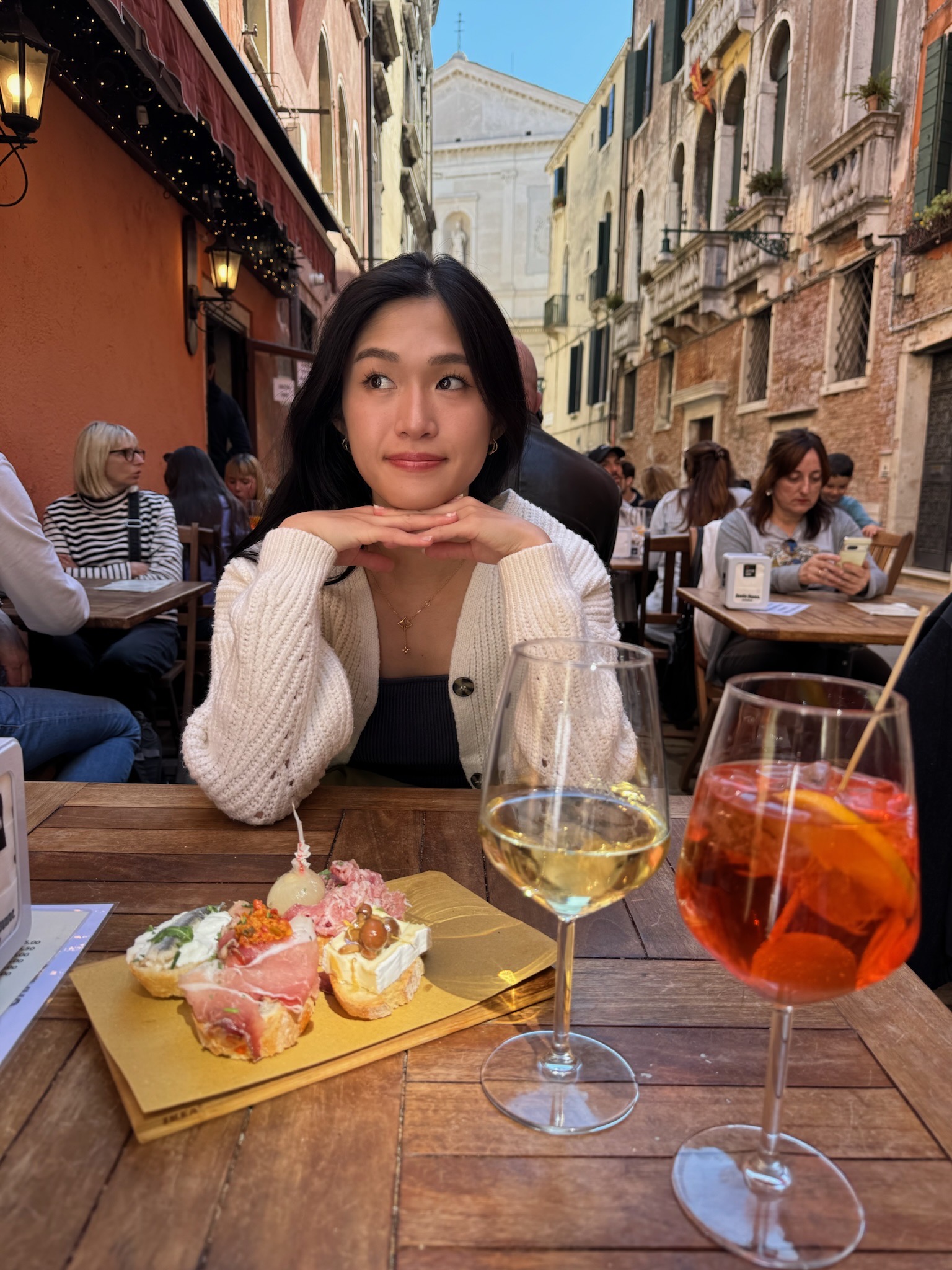
For a casual Venetian food experience, make time for cicchetti at a bacaro. Osteria Dai Zemei was not just my favorite food stop in Venice; it was some of the BEST food I ate in Italy. Grab a spritz, order a mix of small bites, and let it be a relaxed break instead of a formal meal.
A guided food tour is the easiest way to understand bacari if it is your first time in Venice. Choose a Rialto Market street-food walk if you want a daytime intro to cicchetti and local food culture, a Cannaregio and Rialto small-group tour if you want a local-led bacaro crawl with wine, spritz, and tiramisu, or a sunset food and wine tour if you want the food experience to anchor the night.
For something hands-on, a pasta and tiramisu cooking class is a nice break from churches, viewpoints, and walking. I would pick this on a longer Venice trip, or if you want one planned activity that is not another museum or tour.
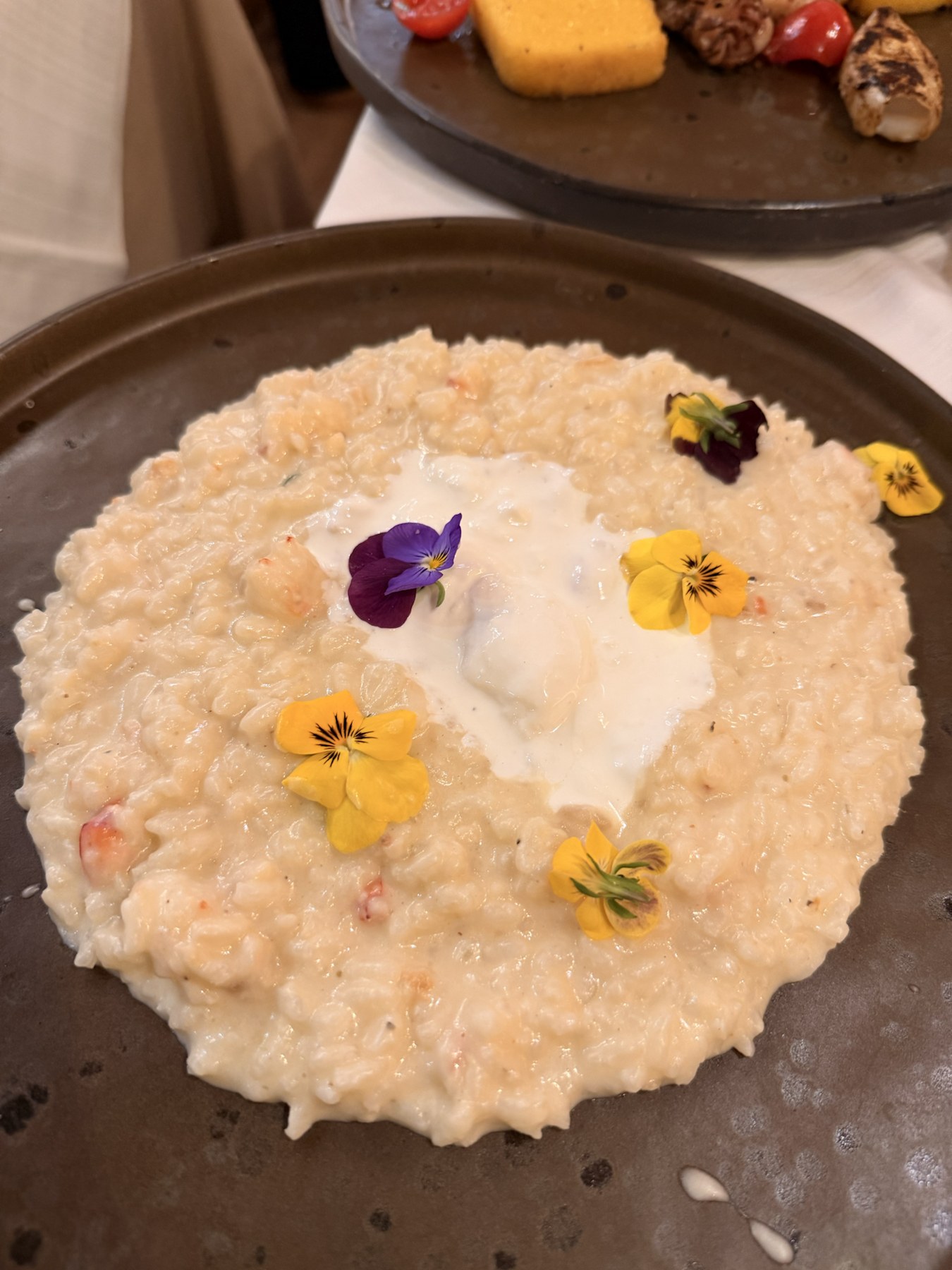
For dinner, reserve if a restaurant matters to you. We booked La Piazza a month ahead, and I was glad we did. The ambience was lively and classy, the risotto was a must, and it felt like a real dinner anchor instead of a random last-minute search.
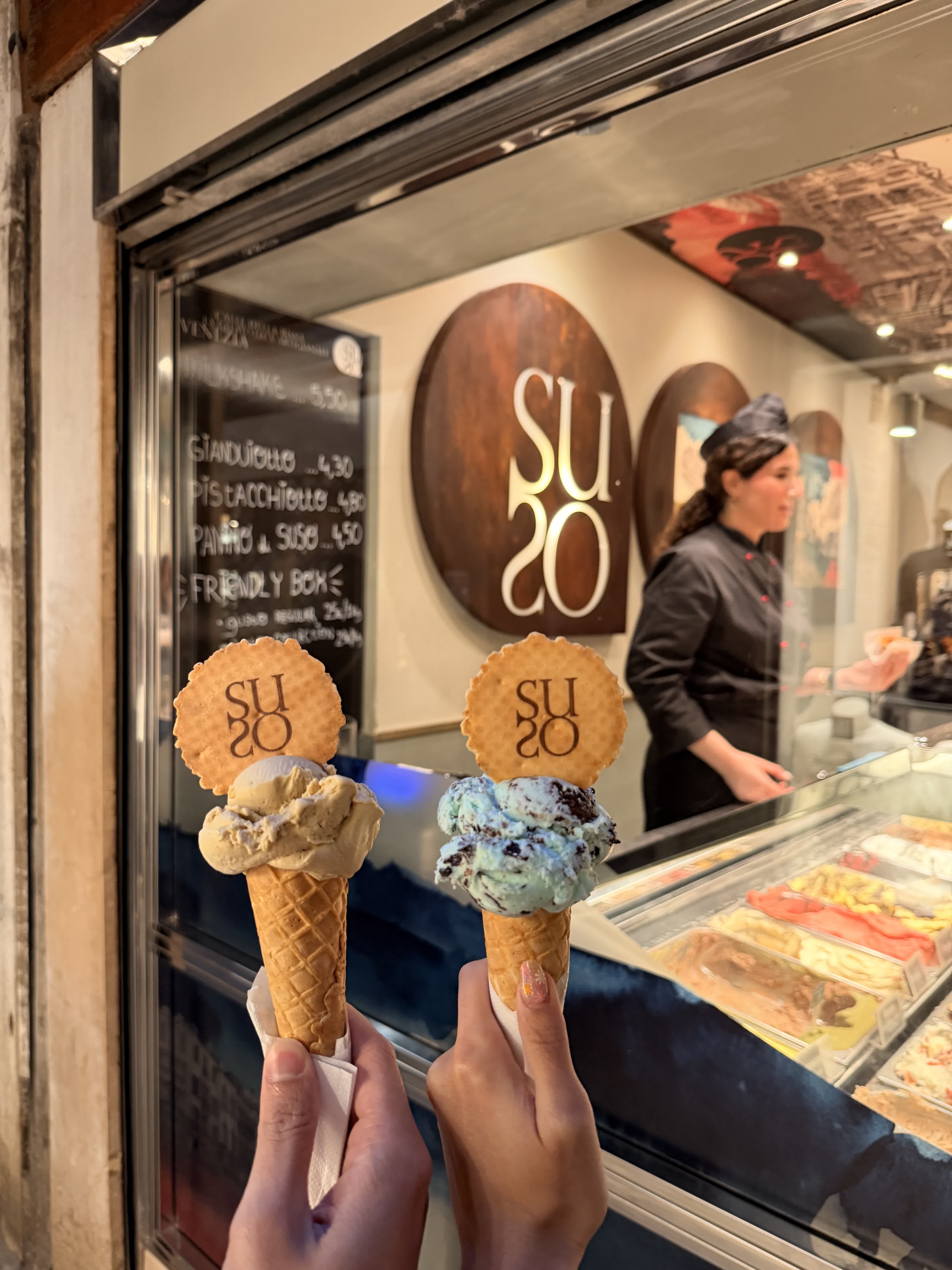
For dessert, Suso is famous for a reason. It was my favorite gelato of the whole Italy trip, and we came back twice. I Tre Mercanti is also a great tiramisu stop when you want something quick and sweet near the end of the day.
If you want the full food plan, use my Venice food guide.
Save Rialto Bridge For Sunset
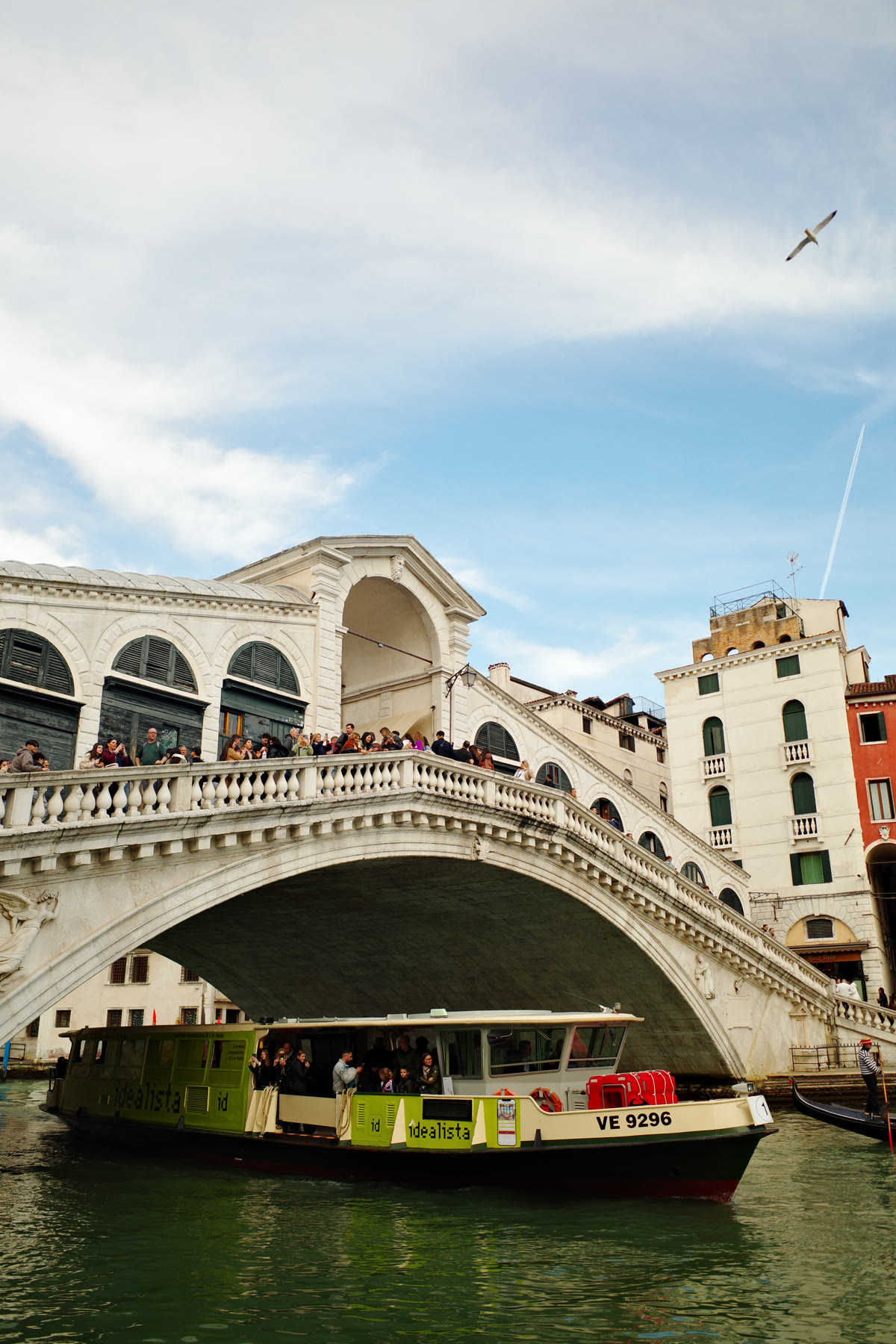
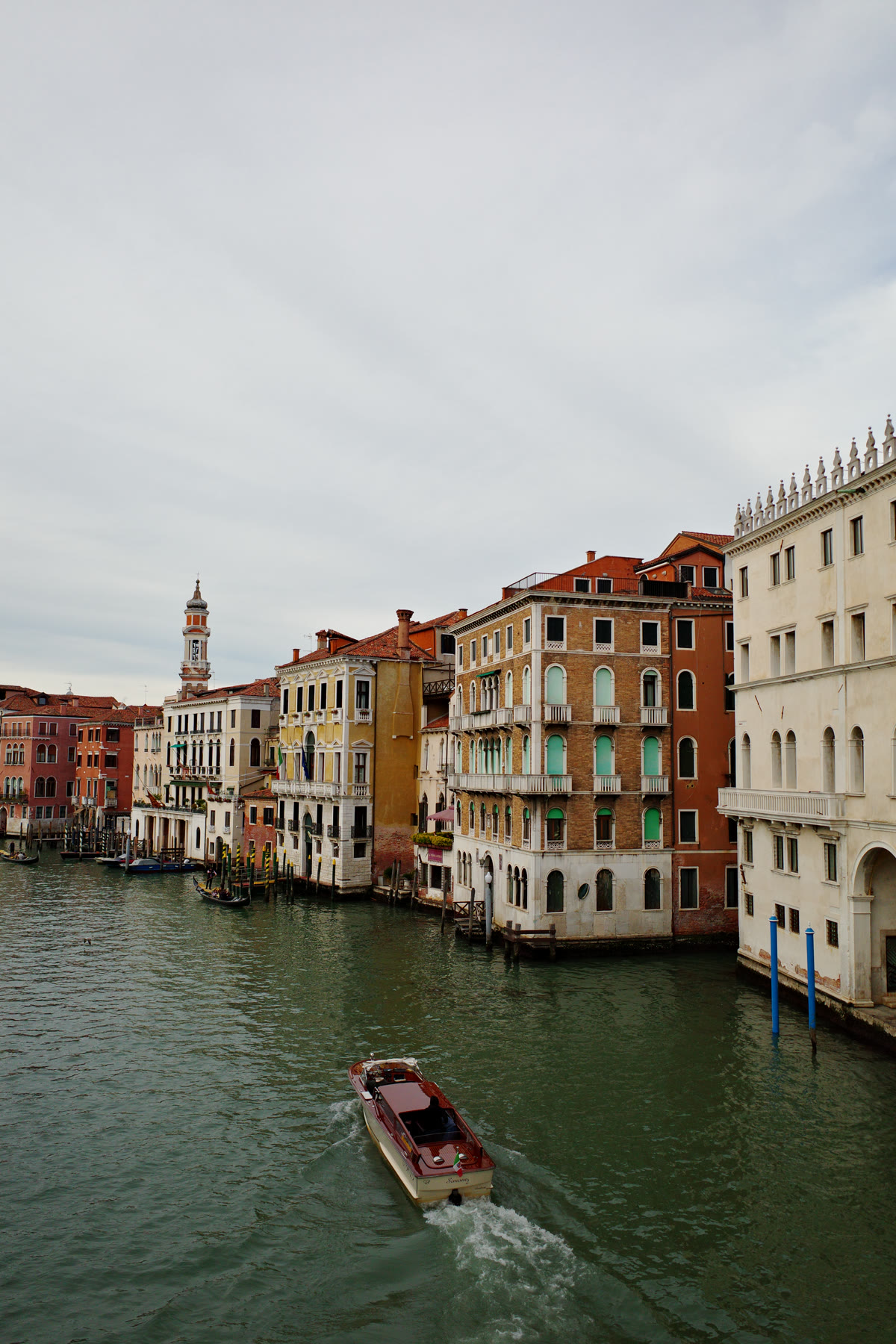
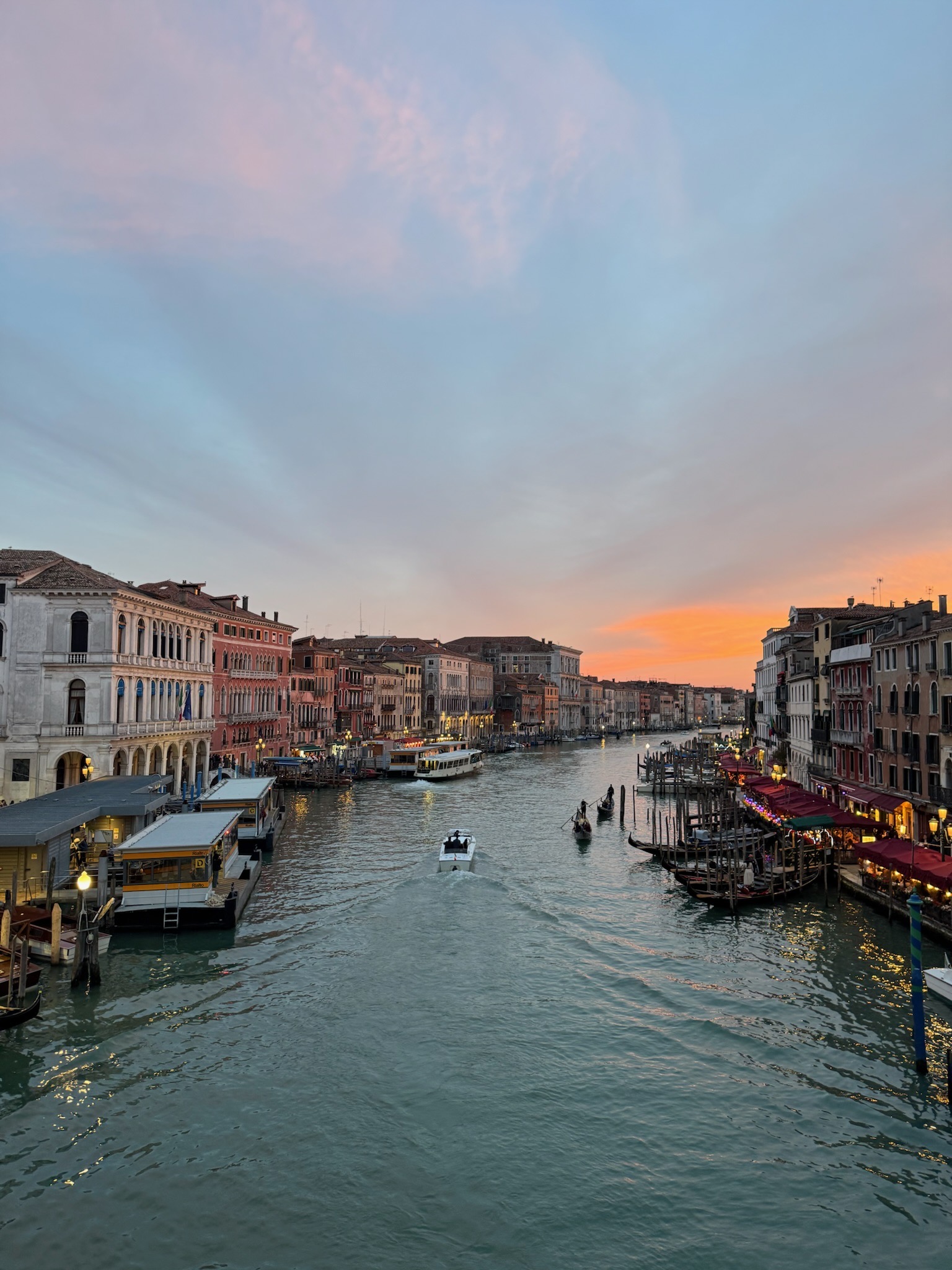
Rialto Bridge is crowded because it is worth it. I would absolutely save a golden-hour or sunset moment here if your schedule allows.
The Grand Canal view from Rialto was one of the most unreal views in Venice for me. Boats moving under the bridge, colorful buildings along the water, and that evening glow all come together in the most postcard-perfect way 🌅. Yes, you will share it with a lot of people. Still do it.
This area is also easy to build around. You can pair Rialto with the Rialto Market in the morning, lunch near the water, Suso Gelato, cicchetti, or a slow wander through San Polo.
Choose Your Water Experience
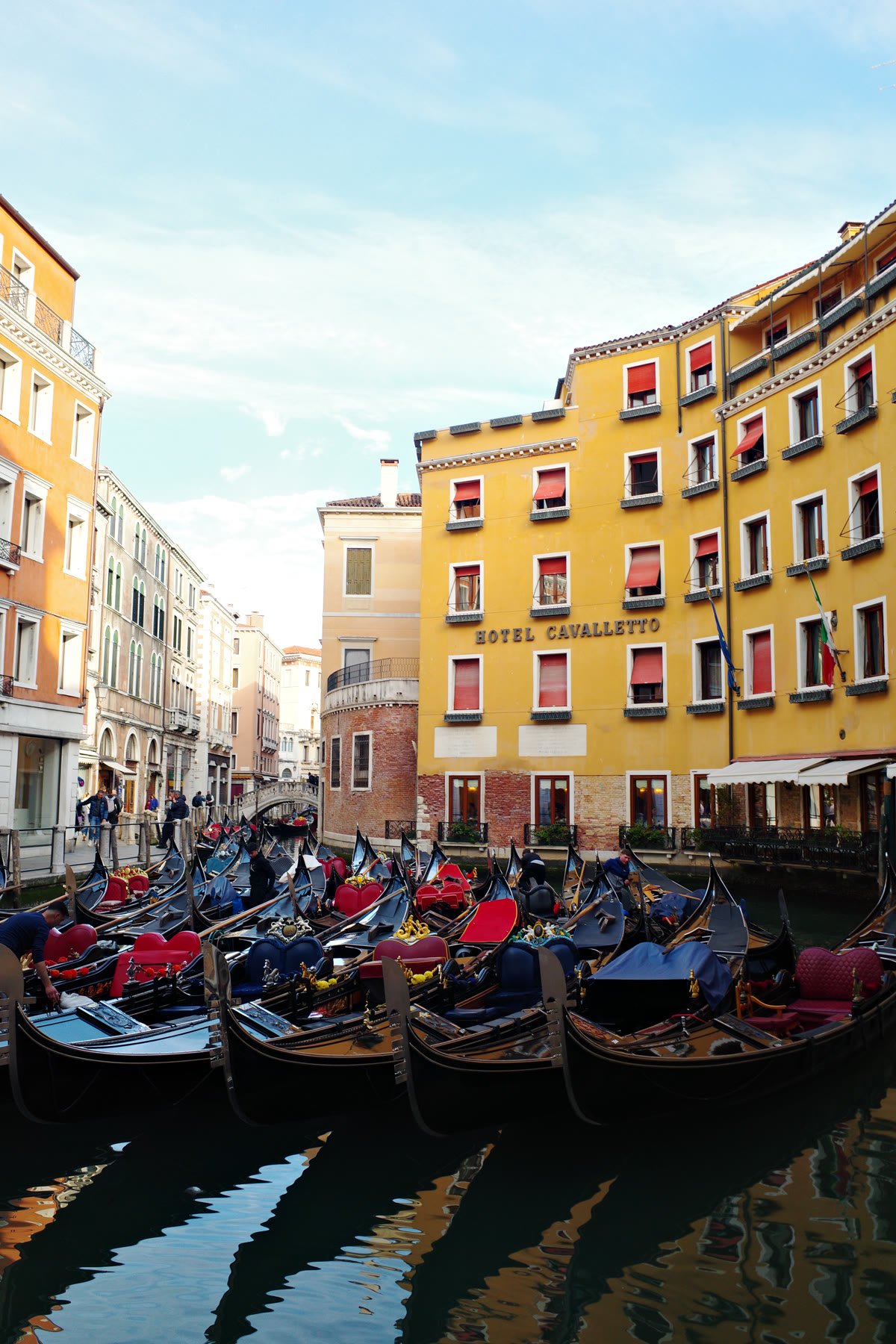
A gondola ride is one of the most classic things to do in Venice, but it is not your only way to make the water part of the trip. Treat a gondola as a short splurge, not regular transportation, then compare it against the other water experiences that might fit your travel style better.
The City of Venice’s official gondola tariff page lists current standard fares as EUR90 per gondola for a 30-minute daytime ride and EUR110 per gondola for a 35-minute nighttime ride, with a maximum of 5 people per gondola. Longer rides are priced proportionally, and the route can vary slightly because of traffic, tides, and weather.
If a gondola ride is high on your wishlist, I would plan it intentionally instead of trying to decide when you are already tired. Choose whether you want a quieter side-canal route, a San Marco/Bridge of Sighs feel, or a broader Grand Canal moment.
Choose the gondola if weaving through narrow canals is on your Venice wishlist. If you want something roomier and more social, choose a sunset jazz catamaran cruise instead. It is a longer lagoon experience with live music, one drink, and cicchetti snacks, so it works beautifully as an aperitivo-before-dinner plan.
If none of those fit the budget, do not panic. Venice still gives you water views everywhere. Walk the bridges, ride the vaporetto at least once, or save your money for a really good meal.
Add The Lagoon Islands If You Have More Time
Murano and Burano are not mandatory on a short first trip, but they are the easiest way to make Venice feel bigger than the main island. Murano is known for glassmaking, Burano for colorful houses and lace, and Torcello for a quieter historic feel.
Plan this as a half-day minimum, and closer to 5-6 hours if you want both Murano and Burano to feel comfortable. It is not something I would squeeze between San Marco tickets and dinner.
You can DIY the islands by vaporetto, but a guided boat tour removes a lot of the transfer planning and usually builds in the glassmaking or lacemaking demonstrations people want to see anyway. Choose DIY if you are comfortable with boat transfers and want maximum flexibility; choose a tour if you want the day to feel easy.
Do Not Overschedule The City
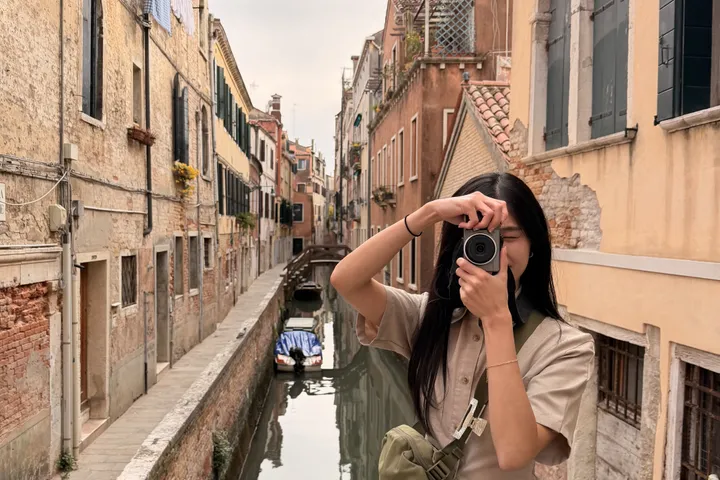
Venice is one of the few places where wandering is not filler. It is the point.
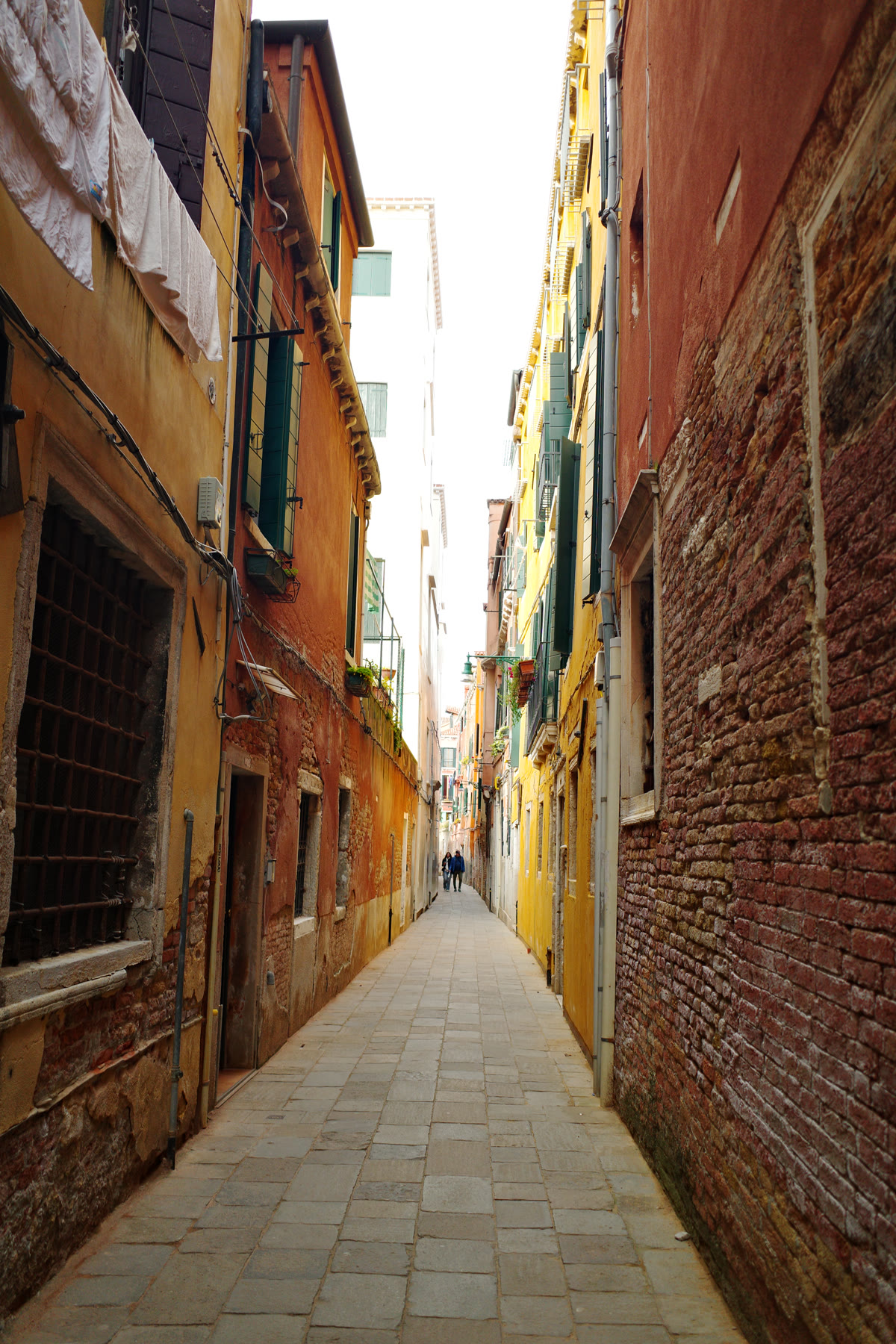
Some of my favorite Venice moments were not complicated: tiny bridges, quiet corners, music in Piazza San Marco, side canals, window shopping, and alleyways that suddenly opened onto the water. If you pack every hour with tickets and restaurant reservations, you will miss the part of Venice that makes it feel like Venice.
Build your day with anchors:
- one timed-ticket sightseeing block
- one food plan you are excited about, like cicchetti, a bacaro crawl, or a cooking class
- one water or scenic moment, like Rialto at sunset, a gondola, or the jazz cruise
- one flexible wander
That rhythm works better than trying to conquer every landmark. Venice rewards slowness more than almost anywhere else.
For a day-by-day route, start with my 2 days in Venice itinerary. For sightseeing priorities, use my best things to do in Venice. For restaurants, cicchetti, gelato, and tiramisu, use my Venice food guide.
Book the pieces that need booking, make arrival easy on yourself, and then let Venice be Venice. The best moments might be the ones between the tips.
Keep exploring
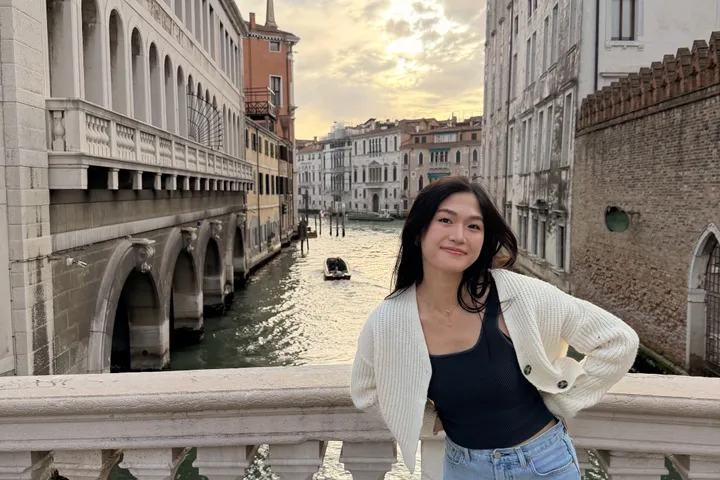
Best Things to Do in Venice: My Top Picks
The best things to do in Venice for a first trip, from St. Mark's Square and Rialto Bridge to cicchetti, viewpoints, quirky bookstores, and unique experiences.
2 Days in Venice Itinerary: How I Would Plan a First Trip
A realistic 2 days in Venice itinerary with St. Mark's Square, Rialto Bridge, cicchetti, gelato, viewpoints, restaurants, and what to book ahead.